New research shows that poaching is a huge problem in the U.S. and proposes some solutions.
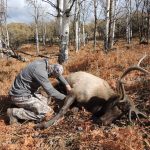
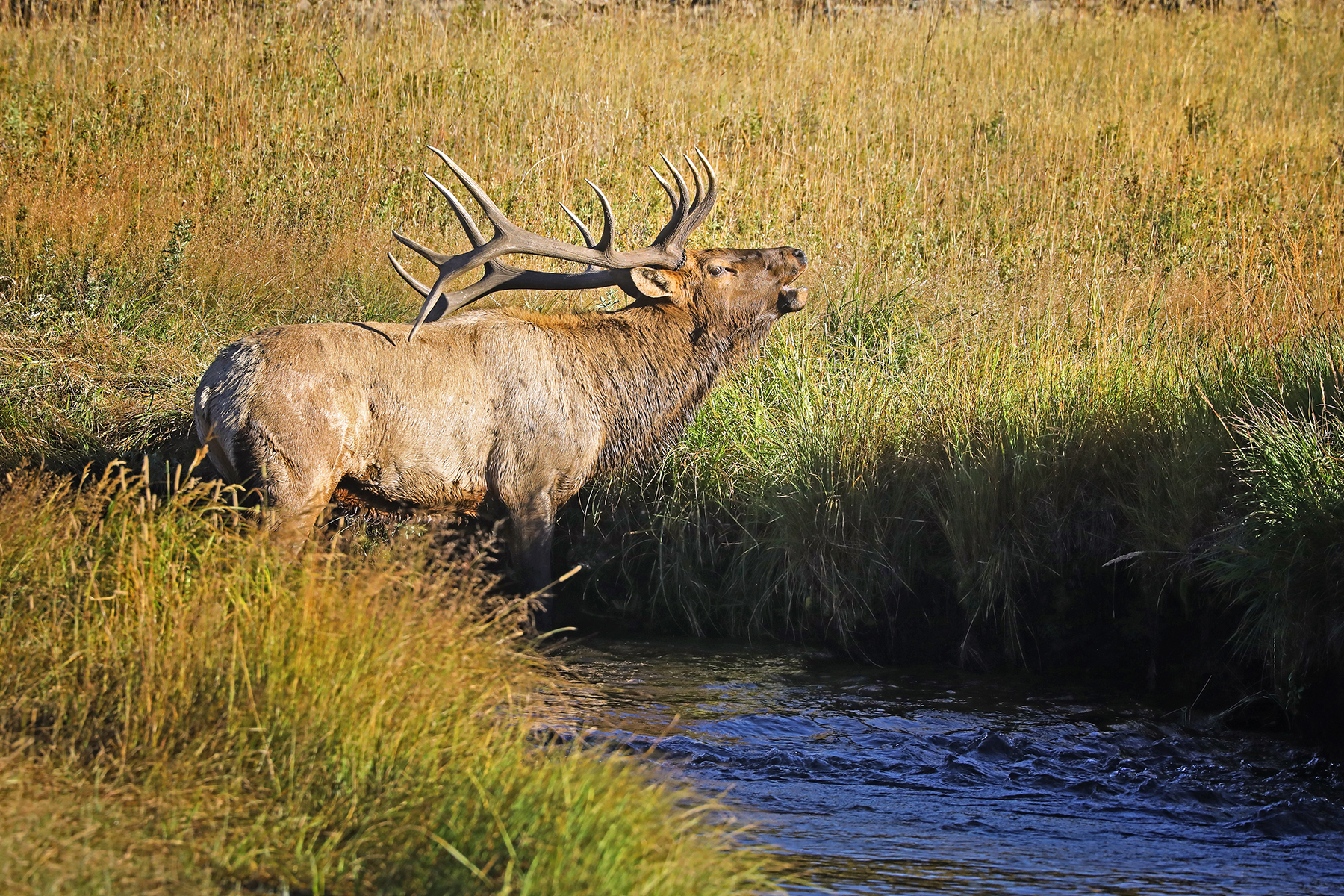
Photo above: Poaching is far more widespread and unreported in the U.S. than previously thought. Stiffer penalties that reflect the value of the animal can act as a deterrent. For example, in Colorado, the fine for poaching a 6-point elk is a minimum of $10,000. (Photo by Victor Schendel)
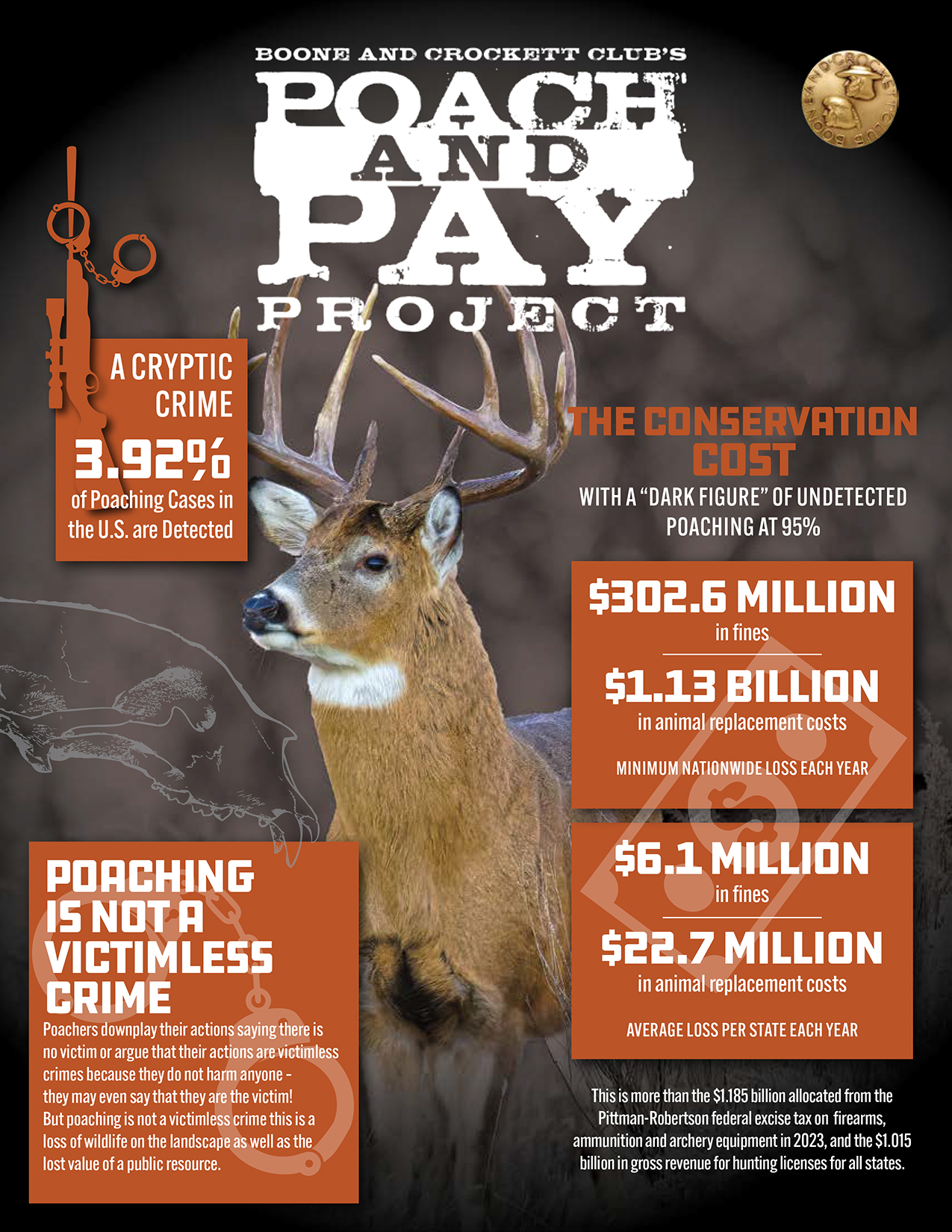
Readers of Sports Afield are likely familiar with the widespread problem of poaching in Africa. But it may come as a surprise that poaching is also a huge problem here in the United States—and it’s taking a large bite out of our game populations and posing a threat to our legal hunting traditions. We are starting to get an idea of the magnitude of the problem with the help of a five-year research project conducted by the Boone and Crockett Club’s Poach and Pay program, the results of which were released in September 2025.
The research, conducted by Jon Gassett of the Wildlife Management Institute and Kristie Blevins of Eastern Kentucky University, was undertaken to quantify the various costs of poaching, estimating factors such as the number of animals affected, the loss of opportunity for hunters, uncollected license revenue for state wildlife agencies, and the replacement cost of poached animals.
A detailed data collection effort and statistical analysis determined that a tiny percentage—just 4 percent, to be exact–of poaching incidents in the U.S. are ever even detected, let alone investigated or prosecuted. This isn’t so surprising if you consider that poaching occurs in areas with few people around, and that there are relatively few conservation officers patrolling our hunting lands.
The research extrapolated the potential costs of unreported poaching crimes, figuring in the value of the animals lost as well as potential fines that could be levied, to be some $1.4 billon. To put this into perspective, it’s more than the gross revenues from hunting license sales for all 50 states in a year, which is about $1 billion.
“These undetected violations translate into millions of dollars of lost replacement costs, fines, and penalties—resources that could otherwise support wildlife conservation,” the researchers said. “In addition to these direct financial losses, undetected poaching diminishes public trust, reduces hunting participation, and undermines federal conservation funding derived from excise taxes on outdoor-related equipment.”
This highlights the fact that poaching is not a “victimless” crime. Not only do we lose a significant number of huntable animals to poaching, but we also incur a high conservation cost, including the loss of substantial funds that would have generated additional Pittman-Robertson dollars for state wildlife agencies.
Another concern about the widespread nature of poaching is that the non-hunting public has a tendency to equate poaching and hunting, further undermining the positive conservation benefits derived from lawful hunting. Anti-hunting groups often take advantage of this by intentionally blurring the line between lawful hunters and poachers in their posts and fundraising appeals.
Even poachers who are arrested and prosecuted often walk away with only a slap on the wrist or minimal fines. This is sometimes the result of the legal system not considering poaching to be a serious crime. As a result, some states have instituted “restitution penalties” that ensure the state wildlife agency is reimbursed for the loss of a poached trophy animal, giving judges and prosecutors an idea of how much an animal is “worth”—or at least how much to levy in fines. The average restitution cost of a white-tailed deer, for example, is $2,171, and poaching a trophy-class elk can cost a perpetrator as much as $30,000—if they’re caught.
The Poach and Pay research also looked at different types of poaching and the reasons behind it—ranging from ego and financial reward to subsistence and rebellion. The average poacher, it seems, is not out there to augment his or her winter meat. Poaching for a trophy head was found to be the most common behavior at 57.6 percent, followed by “peer-pressure” and “opportunistic” poaching at 43.9 percent.
So what can be done about our huge poaching problem? The researchers identified a number of potential solutions, including beefing up “boots on the ground” enforcement while increasing reporting rates through rewards, anonymous poaching hotlines, and public education campaigns. In addition, some poaching crimes could be reclassified from misdemeanors to felonies, with mandatory minimum sentences imposed. Educating prosecutors and their staffs about the seriousness of wildlife crime and providing training on conservation issues could also help. Developing scientifically justifiable “replacement costs” that are consistent across states and reflect the ecological value of each species is also helpful in deterring wildlife crimes.
An important takeaway from the Poach and Pay research is that law-abiding hunters are among the most effective tools to deter poaching. Real hunters who follow the regulations and hunt with a fair-chase ethic should recognize that those who don’t are stealing from us—so if you spot illegal activity, don’t look the other way. Get license numbers, make use of tip lines, and call out illegal activity on social media and elsewhere. The researchers identified “public perception and offender shaming” as an effective deterrent to all types of poachers.
“We have long known that poaching is a major problem in the United States, but we didn’t truly understand the magnitude of the problem until this Poach and Pay research,” said Tony Schoonen, CEO of the Boone and Crockett Club. “By quantifying the dark figure of undetected crime, identifying judicial bottlenecks, and presenting a structured deterrent framework, the research equips state and federal wildlife agencies with data-driven strategies to reduce illegal take and protect America’s wildlife heritage.”
The Boone and Crockett Club, founded in 1887, promotes fair-chase hunting and visionary management of wildlife in North America. See the full results of this study here.