A look at the gustatorial, nutritional, and economic benefits of wild game meat.
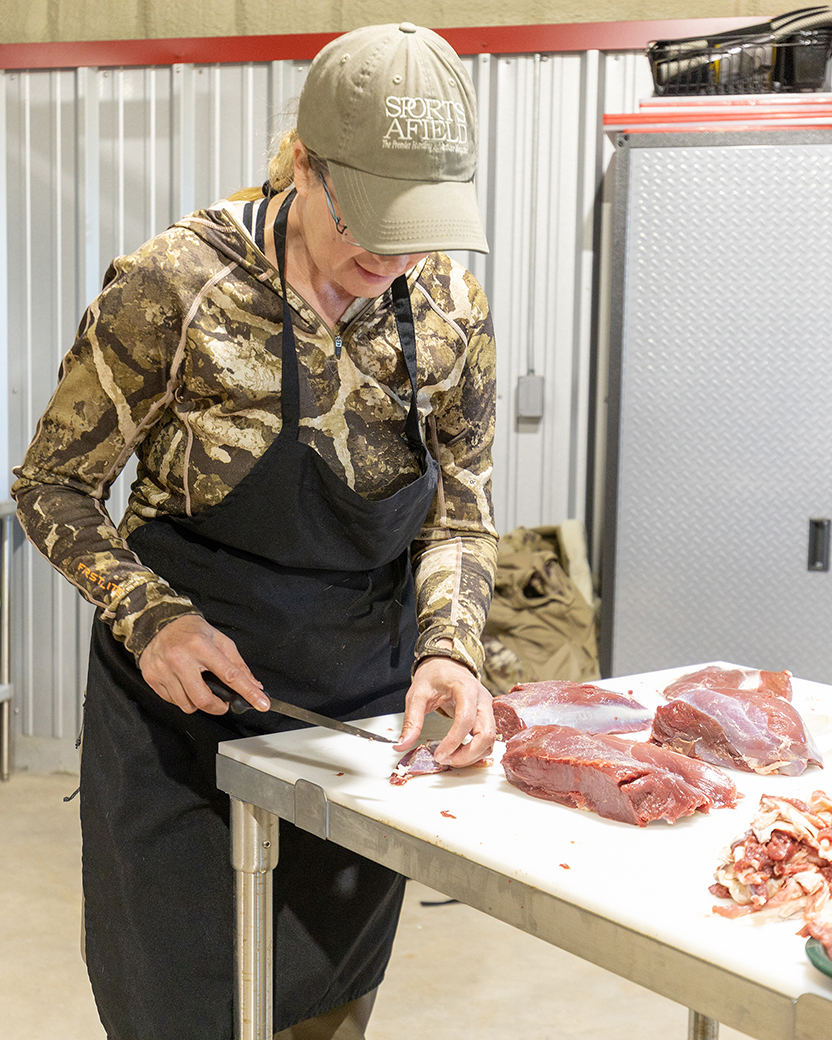
When I was growing up in north-central Pennsylvania, deer meat was a central component of our family’s diet. Mom and Dad were both avid hunters, and they did their own butchering. Years before I was allowed to get my first hunting license at age twelve, I was—at least in my own mind—a crucial part of my family’s yearly ritual of putting venison in the freezer. That’s because it was my job to wrap.
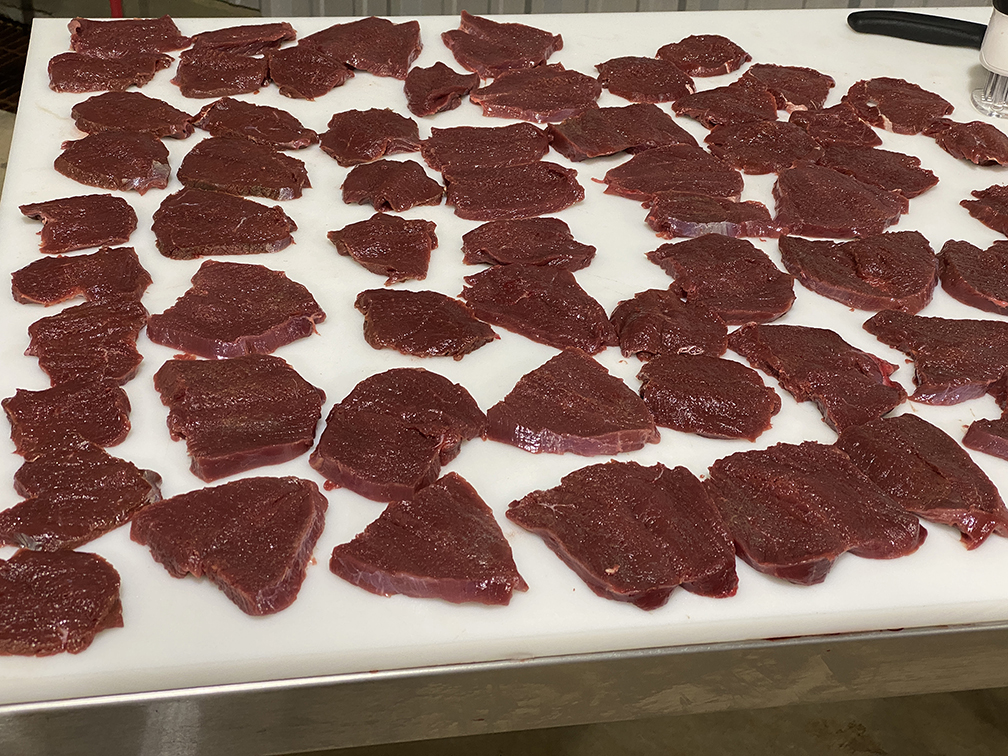
As Mom and Dad cut up their deer into steaks, chops, and roasts, I’d sit next to them with my trusty plastic wrap, freezer paper, tape, and Sharpie. First, I’d wrap the meat tightly in the plastic wrap, making sure no air was left inside. The thick white freezer paper went on next–Mom showed me how to do the cool-looking butcher’s fold–and I’d tape it down securely. Next, I’d write on the package with the marker, noting whether it was Mom’s or Dad’s deer, the cut, and the date. Then I would embellish the package with little drawings of deer.
Fast-forward more years than I care to count, and while I’ve long since traded the paper and tape for a vacuum sealer (and realized that I would never become an artist), I still love the process of turning a game animal into meat for the freezer and a delicious meal later on. Recently I’ve even started to feel as if my hunting life has come full circle. After many years of traveling far and wide to hunt, I find that these days, my main hunting goal has come back around to the basics: filling the freezer. Don’t get me wrong—if those tasty steaks and roasts have a nice set of antlers attached, all the better.
Hunters who travel to foreign destinations usually aren’t allowed to bring their meat home, but I’ve never been to a part of the world where the meat from a game animal was not used or appreciated. In fact, I’ve learned a great deal about the importance of utilizing the entire animal from the people I’ve hunted with in places like Africa and the Arctic, where absolutely nothing goes to waste. I’ve watched in awe and admiration as my hunting hosts consumed almost every part of the animal, including various organs and, in the case of the Inuits, the caul fat from a caribou, which was considered a delicacy.
I’ll stick to steaks and roasts, myself. And that’s not a bad plan: As it turns out, the meat of wild game animals is some of the best protein you can find anywhere.
Multiple institutional and academic studies show that wild venison is superior to beef in almost every nutritional metric. According to the USDA, a comparable serving of venison has half the calories, significantly less fat and a fraction of the saturated fat, slightly more protein, and more iron and vitamin B12 than beef. It’s also interesting to compare the fatty acid profile of wild vs. domestic red meat. Venison typically yields a higher concentration of beneficial omega-3 fatty acids, with a lower omega-6 to omega-3 ratio than grain-fed beef (it’s worth noting, however, that grass-fed beef comes in much closer to the venison ratio).
Wild game meat is not just nutritious and delicious. It’s also a significant part of many Americans’ diets, just as it was (and is) for my family, and in many cases, it saves people a lot of money on groceries. A study was released recently by the Wild Harvest Initiative, authored by Shane P. Mahoney and Richard D. Honor, examining the economic value of game meat in the United States. The research, which was highlighted by the Rocky Mountain Elk Foundation and can be found in the British Ecological Society’s online library, shows that regulated big-game hunting in the United States generates 235,760 tons of protein per year. Based on a 6-ounce serving, that’s 1.39 billion meals, which, if replaced with store-bought domestic meat, would cost some $3.2 billion.
The researchers based their numbers on state harvest data from 2014 to 2019. They found that Texas hunters obtained the most wild meat, followed by Alabama, Mississippi, and Michigan, while Wyoming and Montana hunters generated the most wild meat per capita. These results show convincingly that hunting is not only about recreation and wildlife management—it’s a very important form of food provision for a lot of people.
Most of us hunt for a variety of different reasons, some of which are hard to put into words. At its core, though, it comes down to nourishment—of body and soul. The sustenance we ultimately derive from the chase is as much spiritual and emotional as it is physical, but it all began, long ago, because we needed to eat. And we still do.
How to Donate Game Meat
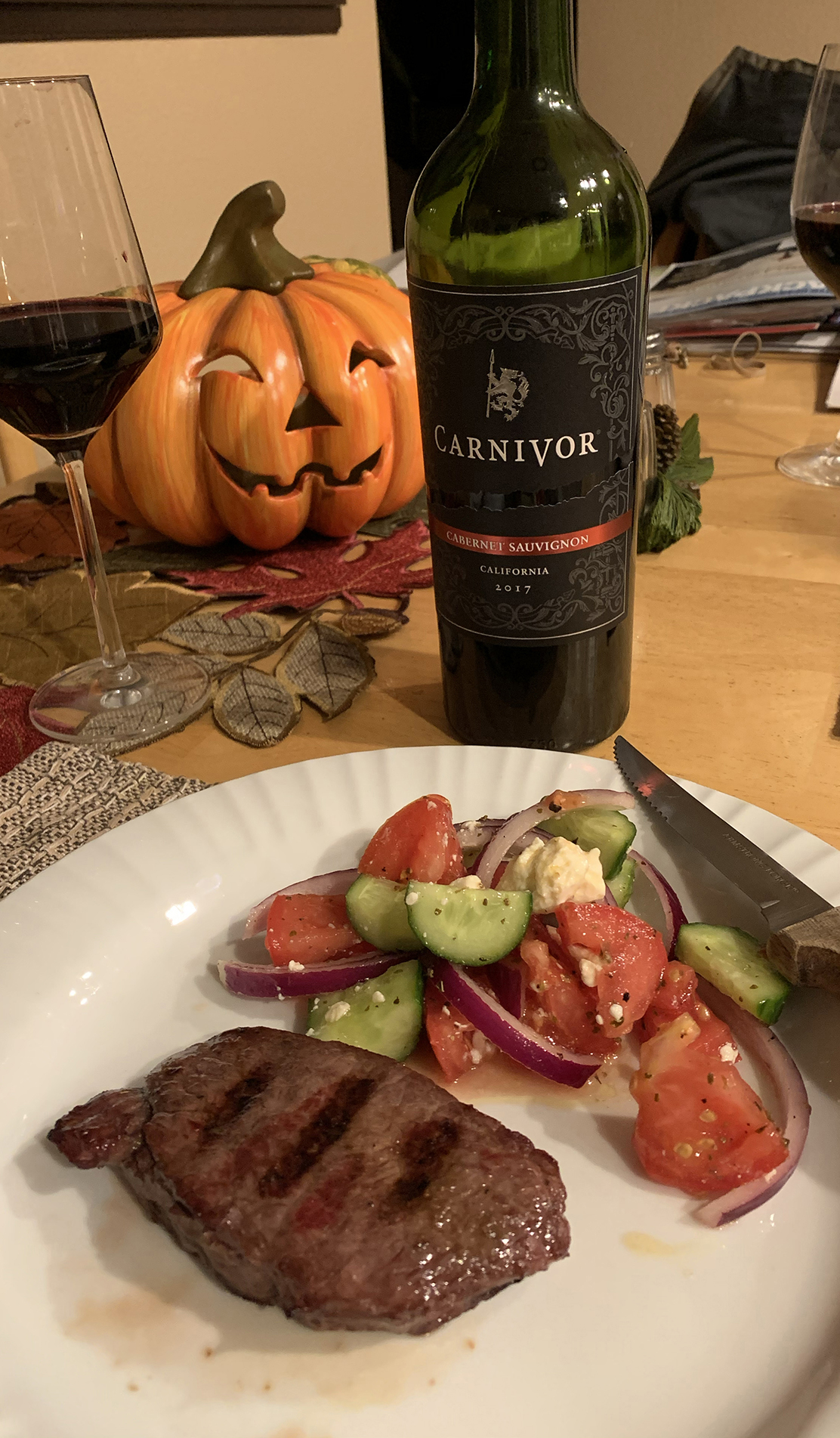
November is Wild Game Meat Donation Month, and it’s a great time to highlight the fact that hunters across the United States donate millions of pounds of venison to local food banks, pantries, and soup kitchens every year. This is healthy, organic, protein-rich food that money literally can’t buy, and it’s greatly appreciated by the people on the receiving end. If you’ve been to the grocery store lately, you know how expensive everything is getting, so if you have more venison than your own family and friends can eat, consider donating it to someone less fortunate. If you’re not sure where or how to do that, check out the resources below.
The NRA’s Hunters for the Hungry program works with processors in many states. Find out if your state has a Hunters for the Hungry program here: hfth.nra.org/find-your-state-hfh-contact
The National Deer Association has a map on its website showing meat processors and identifying those who participate in venison donation programs. deerassociation.com/deer-processors
Check out the donation programs run by Farmers & Hunters Feeding the Hungryhere: feedingthehungry.org/give-meat
If you live or hunt in New Jersey, check out Hunters Helping the Hungry: huntershelpingthehungry.org
If you live or hunt in Pennsylvania, check out Hunters Sharing the Harvest: sharedeer.org
Wild Game Cooking
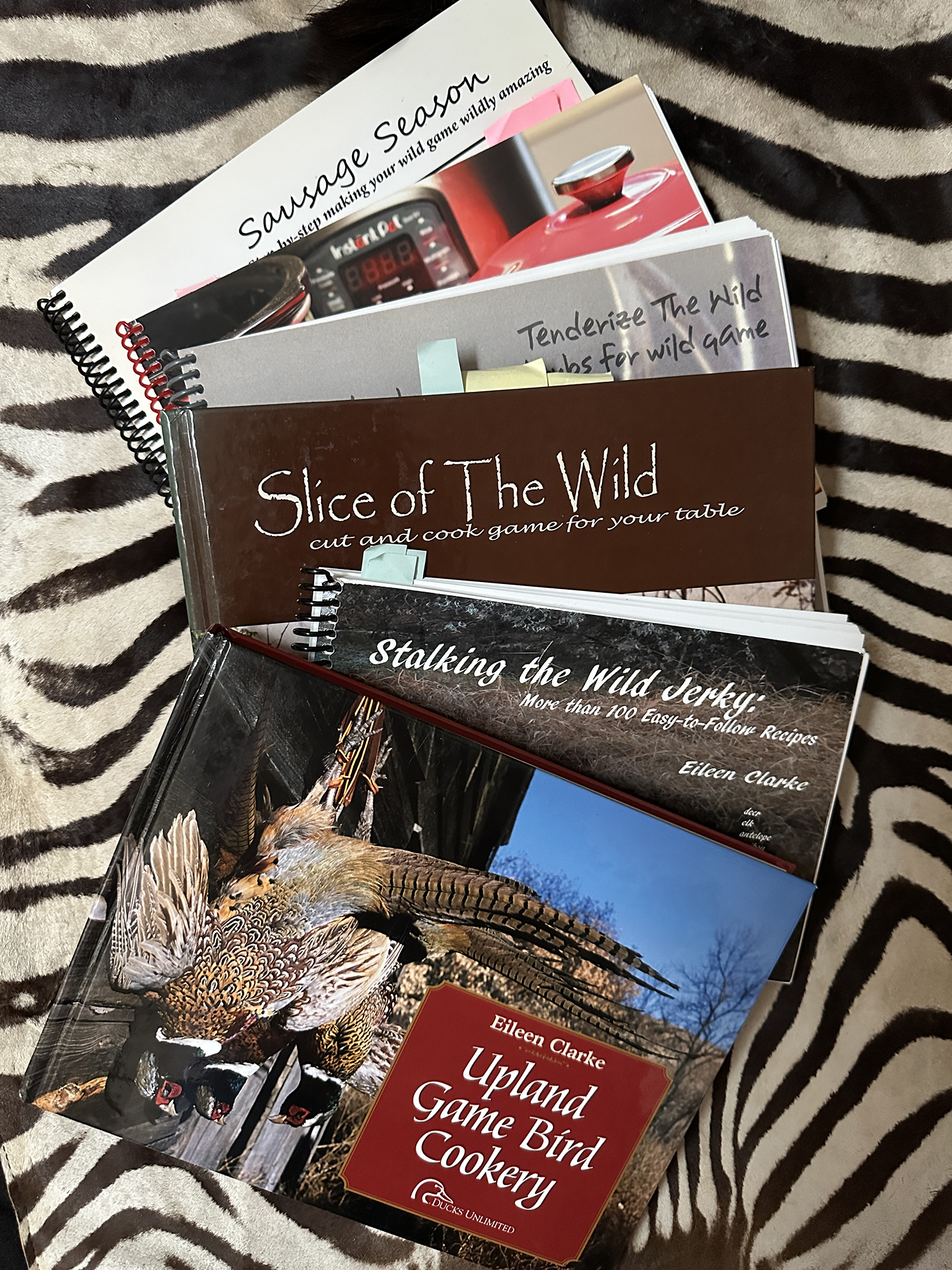
Not too confident in your wild game cooking skills—or just looking for some new ways to prepare an antelope or elk? Eileen Clarke’s wild game cookbooks are some of the best you can find anywhere, and they span a wide range of topics from big game (Slice of the Wild) and upland birds (Upland Game Bird Cookery), to books dedicated to making jerky, sausage, soups, and stews. These books are so well done and so loaded with helpful tips that they’ve made a very amateur cook (me) look like an expert wild-game chef. They’re on sale right now, too. Check out the collection at riflesandrecipes.com.