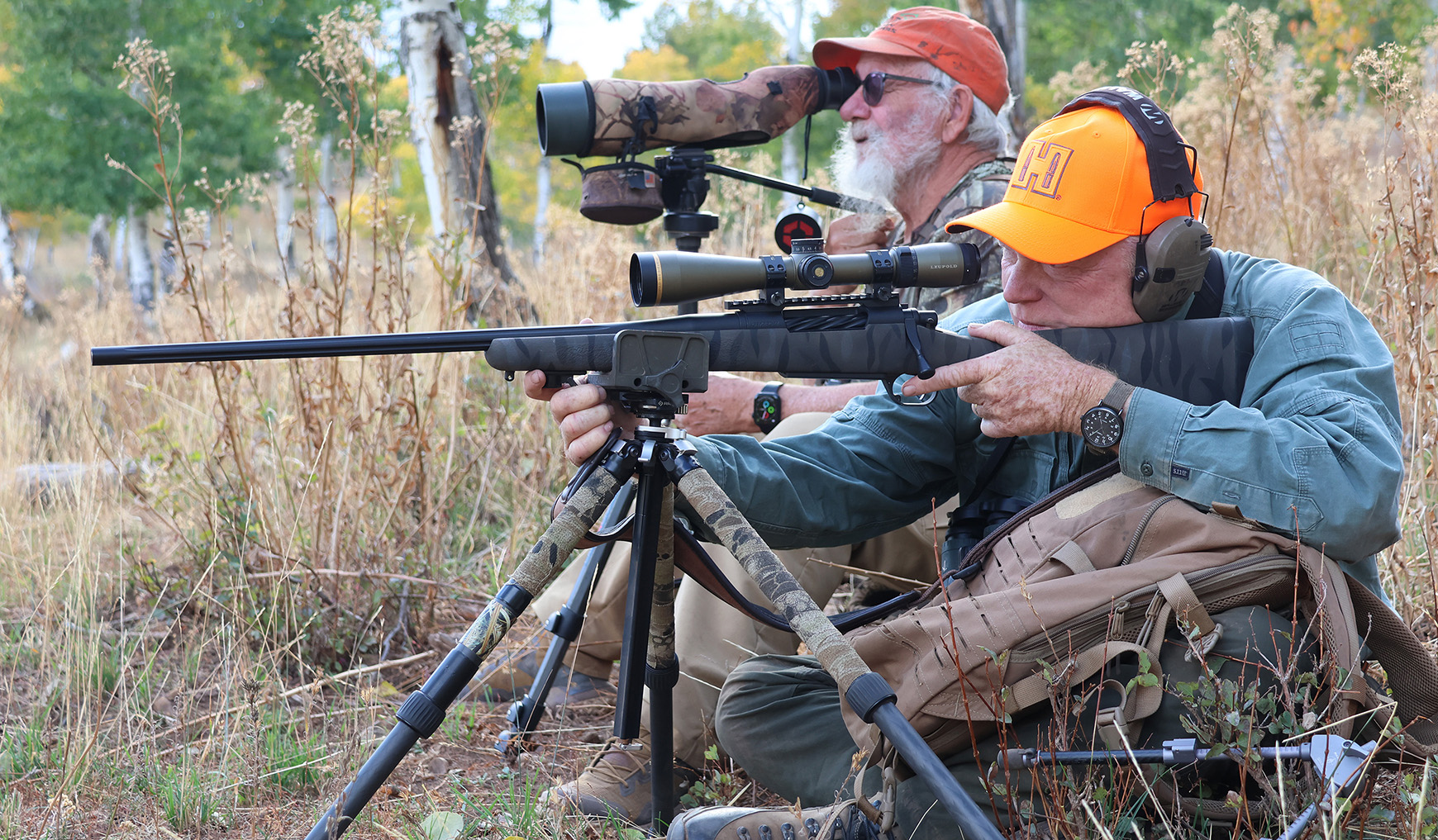
The new 7mm cartridges shoot fast and flat with heavy bullets, making them practical for a wide range of hunting applications.
Just yesterday I was asked, “What rifles do you take to Africa?” That’s a moveable feast. There are many good plains game cartridges, also many suitable for dangerous game. I like to switch around, because Africa’s wonderful variety offers the world’s best opportunity to see how rifles, cartridges, and bullets perform. Last year I took a .308 for plains game. Often, I take faster .30s.
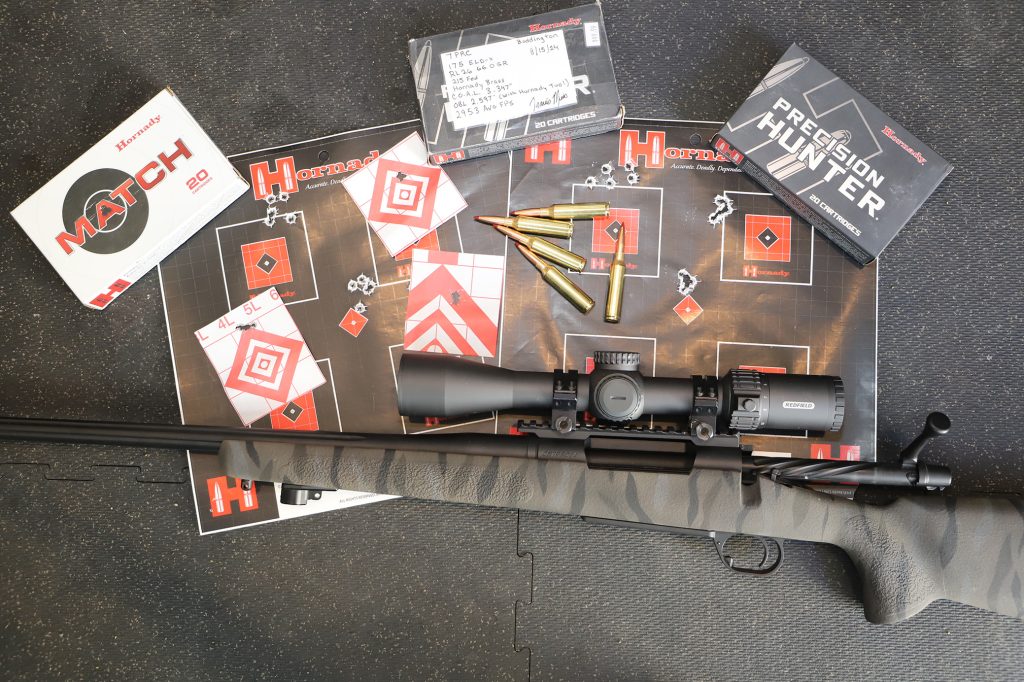
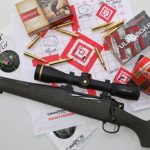
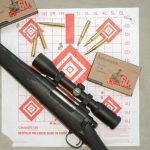
I recently had to cancel a safari because of a family health issue. I won’t get there this year, but when I do I plan to take my Flat Creek Precision 7mm PRC for plains game. I realized I hadn’t taken a fast 7mm to Africa for thirty years, although I borrowed PH Fred Burchell’s 7mm Remington Magnum in 2023.
Introduced in 1962, Remington’s Big Seven became the world’s most popular magnum, recently overtaken by the .300 Winchester Magnum. In the 1980s and 1990s, I had a succession of three 7mm Rem Mags. I never used them for elk or other extra-large game, but I used them for most of my deer hunting, much mountain hunting, and for African plains game with consistently deadly results.
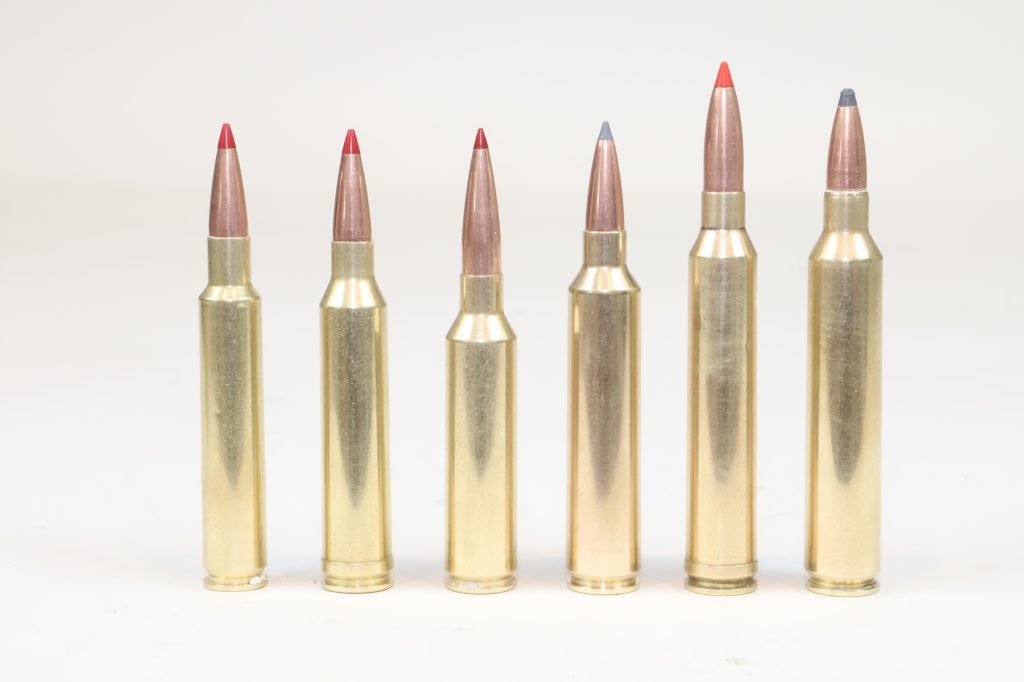
The strongest argument for the 7mm has always been the wide range of bullet weights, from fast 140-grain bullets to 175-grain heavyweights. What we call 7mm began in 1892 with the 7×57 Mauser using a .284-inch bullet (literally 7.21mm). The 7×57 used a 1:866-inch twist to stabilize 173-grain roundnose military bullets, which “Karamoja” Bell used for elephants.
Faster European 7mms soon followed, but we didn’t have an American .284-bore until after World War II. Roy Weatherby’s 7mm Wby Mag was first in 1945, .300 H&H case shortened and necked down. The 7×61 Sharpe & Hart was developed in America by Phil Sharpe and Dick Hart. Similar belted case, a bit shorter with more body taper, not as fast. Only chambered in Europe, the 7×61 S&H had some traction here as a wildcat.
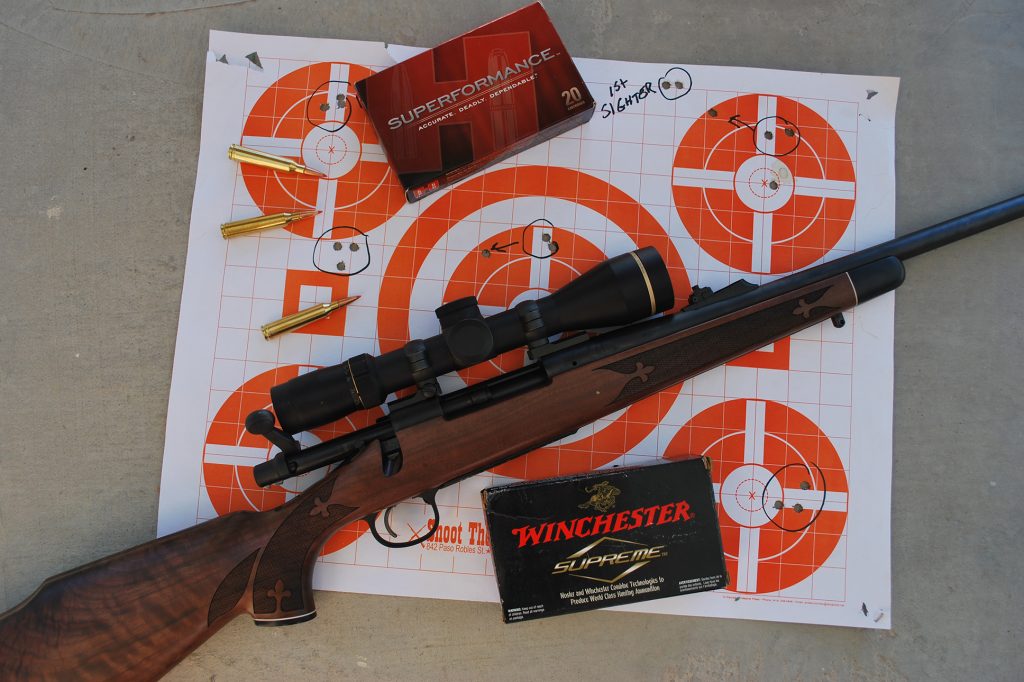
There were other 7mm wildcats. Warren Page, Shooting Editor at Field & Stream, did most of his hunting with a 7mm Mashburn Super Magnum, also based on the .300 H&H case shortened and blown out. With 175-grain bullets, Page used it for game up to Alaskan brown bear. So did gunwriting great Bob Hagel, who wrote our Handloading column when I was the Editor at Petersen’s HUNTING. Hagel was incredibly knowledgeable but almost a hermit, and I may be one of the last people alive who actually knew Bob Hagel.
At the same time, aircraft engineer and Wyoming outfitter Les Bowman decided that a fast 7mm would be more effective on elk than the .270, with less recoil than fast .30s. Bowman went back to 1912’s .275 H&H, .375 H&H case shortened to 2.5 inches. The .275 H&H was Bowman’s model, but the .275 used a .287-inch bullet, same as the long-obsolete .280 Ross. By then, most 7mms worldwide had standardized on the 7×57’s original .284-inch bullet (literally 7.21mm)
Les Bowman was highly respected, and some of the Remington folks were hunting with him. American hunters wanted a fast 7mm. They already had one in the 7mm Wby Mag, but Roy Weatherby wanted to keep his cartridges proprietary. Remington already had a good 7mm in 1957’s .280, but belted magnums were “in” and shooters wanted more speed. Remington’s engineers accepted Les Bowman’s version and in 1962 introduced the 7mm Rem Mag. It took off like gangbusters and remains a world standard hunting cartridge.
Remington went with a 1:9.5 twist in its Big Seven, and Weatherby uses a 1:10 twist in their 7mm. Seems odd, but not in the context of 60 years ago. Bullet stabilization in rifling twist is more about bullet length than weight. Computer-designed low drag bullets didn’t exist, nor did all-copper bullets, which are longer than same-weight lead-core bullets. Shooters wanted speed, best delivered by lighter bullets. After all, most American hunters hunt deer, not elk or big bears.
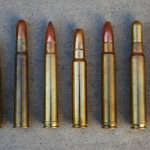
As factory-barreled, the 7mm Wby and Rem Mags are at their best with bullets from 140 to 165 grains. They can stabilize some 175-grain bullets, but they must be short, not long and sleek. Now we have 7mm bullets up to 195 grains, with Ballistic Coefficients (BCs) once unimaginable. Faster twists are needed to stabilize them. Rebarreling is always an option, but new 7mms, including 28 Nosler, 7 PRC, and Federal’s 7mm Back Country are specified for faster twists, usually 1:8, designed for the new extra-heavy and extra-long .284 bullets.
It took me a while to get interested. In 7mm, a 1:8 twist starts at about 160 grains and will shoot the longest and heaviest 7mm bullets currently offered. It always depends on what you’re doing. The new fast-twist 7mms are over-stabilizing the 140 and 150-grain bullets many of us like to use for deer-sized game. The extra-long, extra-heavy bullets fly great at extreme range, but they aren’t as fast and they kick more.
Like I said, when I was hunting a lot with 7mm Rem Mags, I wasn’t using them for elk. I was doing my elk hunting with .30-calibers and larger. In my 7 mags, I mostly shot 160, 162, and 165-grain bullets. Great accuracy, awesome penetration, mild recoil. I don’t think I’ve ever fired a 175-grain bullet through a 7mm Rem Mag, never had any reason to.
There are faster 7mms, including 7mm STW and 7mm RUM. Both can be very accurate, but they are over bore capacity, limiting suitable propellants, and reducing barrel life…and both were commonly barreled with slow twists. With the new heavy 7mm bullets, it occurred to me I might be missing something. Then, In South Africa in June 2022, I got a graphic demonstration. I was using a test rifle in .300 PRC, awesome performance, but it confirmed my belief that, fast twist or not, as a hunting cartridge it didn’t do anything my older fast .30s wouldn’t do.
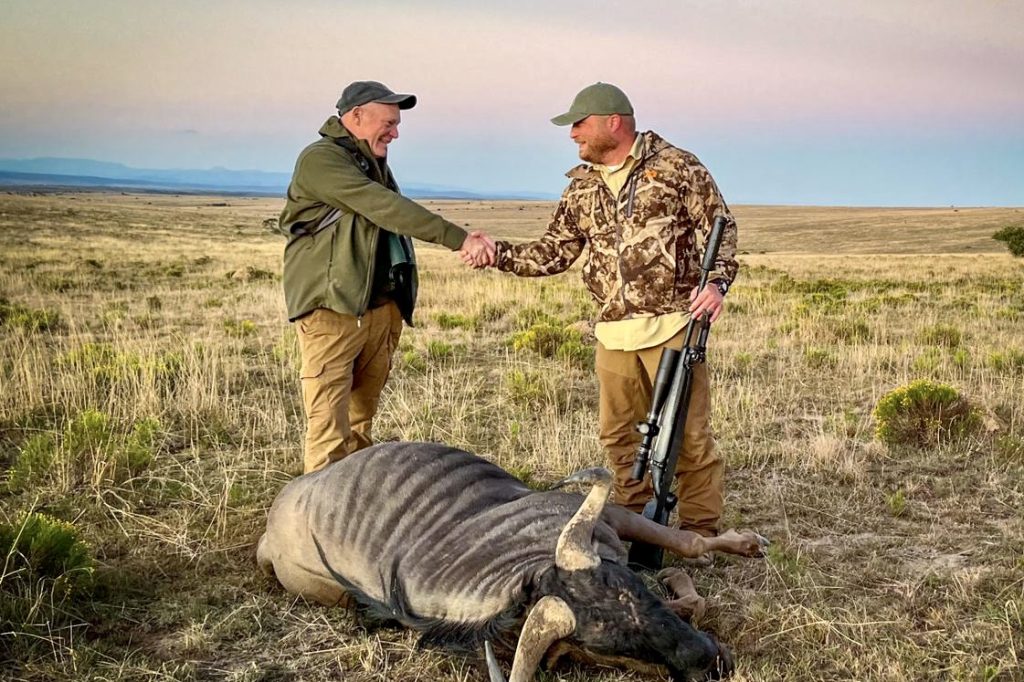
Most of my camp mates opted for camp rifles. Our outfitter, John X Safaris, had a rack of Gunwerks rifles in 7 Long Range Magnum (LRM), a proprietary that preceded 7 PRC, similar in ballistics, dialed-in with 180-grain bullets. I was mightily impressed. One evening, I was with Michael Sydnes, and we got on a group of blue wildebeest at sunset. Toughest of all antelopes, he dropped a big bull in its tracks at something past 350 yards.
When the 7 PRC was new, I used a Mossberg right-hand Patriot and liked it. I soon asked Charlie Barnes at Flat Creek Precision to build me one on a left-hand receiver. It’s shooting half-MOA groups with 175-grain ELD-X, and I’m loving those long, heavy bullets.
Since I’m not an extreme-range shooter, one could argue that I don’t really need them. And I’m not saving recoil. The 7 PRC pushes a 175-grain bullet up to 3,000 fps. About the same as a .300 Win Mag with 180-grain bullet, like in recoil.
Except for the ability to use longer bullets, the 7 PRC is surprisingly similar to 7 Rem Mag. Case capacity is about the same, 82 grains for PRC, maybe a grain more for 7mm Rem Mag. The PRC’s shorter, fatter case is more efficient, does a little better with heavier bullets, but velocities are close. With 200-yard zero and bullets with reasonable aerodynamics, both cartridges drop around three feet at 500 yards. At some point past 600 yards, although starting slower, the new extra-heavy low-drag bullets will pass all 7mm bullets that have come before. However, not everyone needs (or wants) to shoot that far.
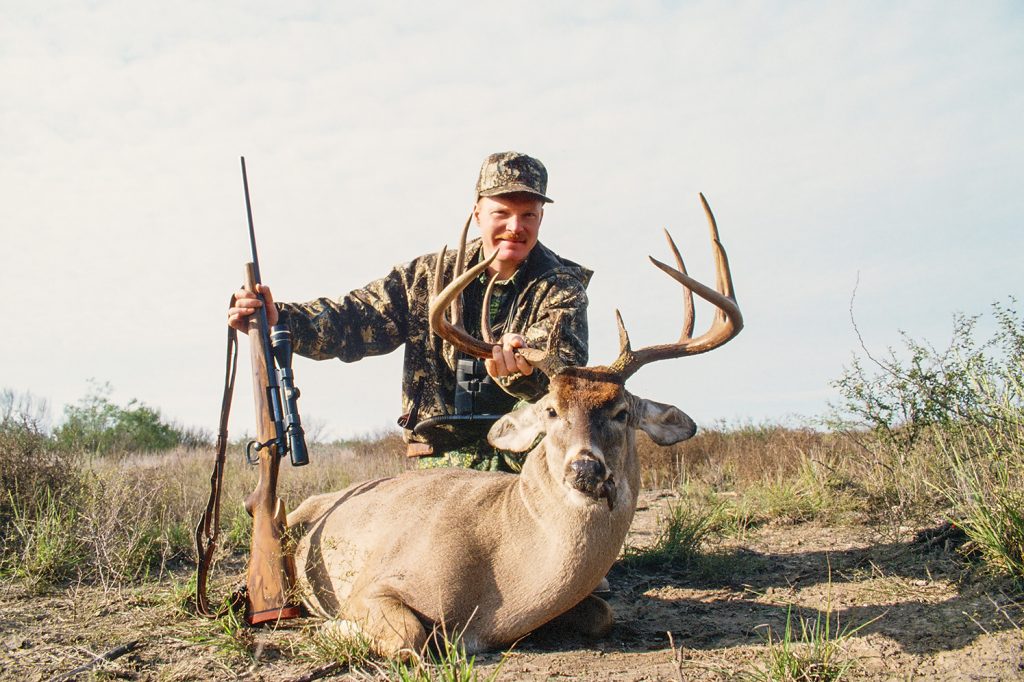
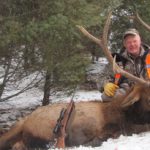
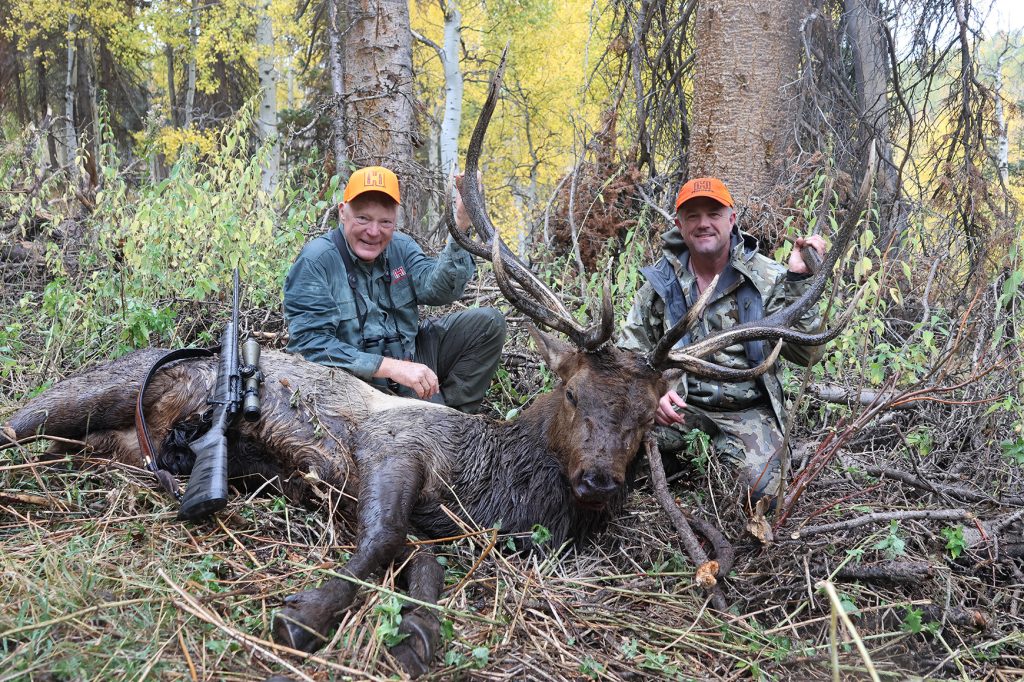
Of course, the PRC was designed for those long, heavy bullets. With them, on deer-sized game, it’s the hammer of Thor. On elk, I’m not yet certain. So far, I’ve taken just two bulls with the Flat Creek 7 PRC with 175-grain bullets. That’s too small a sampling for a firm opinion. Both were big bulls in the rut, full of adrenaline. The first was close, and went nowhere, but two more shots were needed to get him down and finish the job.
The other was 300 yards, hit quartering away. The bullet exited the off-shoulder. He ran maybe 80 yards and piled up. However, he showed no visible reaction to the shot–and left not a drop of blood in those 80 yards. He nose-dived into a thick deadfall, and we walked past him a half-dozen times before we finally found him.
Although I’ve taken elk effectively with smaller calibers (.270s), most of my elk were taken with larger calibers. They were not necessarily faster nor delivering more energy, but with bullets of larger diameter and often heavier. I can’t get it out of my mind that the first bull would have gone down more quickly to a fast .30 or .338. The second bull might have run as far but might have left some blood and been easier to find.
So, I’m not yet certain if Bowman, Hagel, and Page knew something I haven’t yet learned. Sorry I won’t be learning more in Africa these next few weeks, but it’s okay. Fall hunting seasons are coming, and there’s always next year in Africa. With a rifle that’s shooting as well as my 7 PRC, I’m certain I’ll do some learning.