Hunting when it’s blistering hot or freezing cold presents serious challenges.
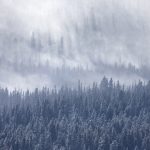
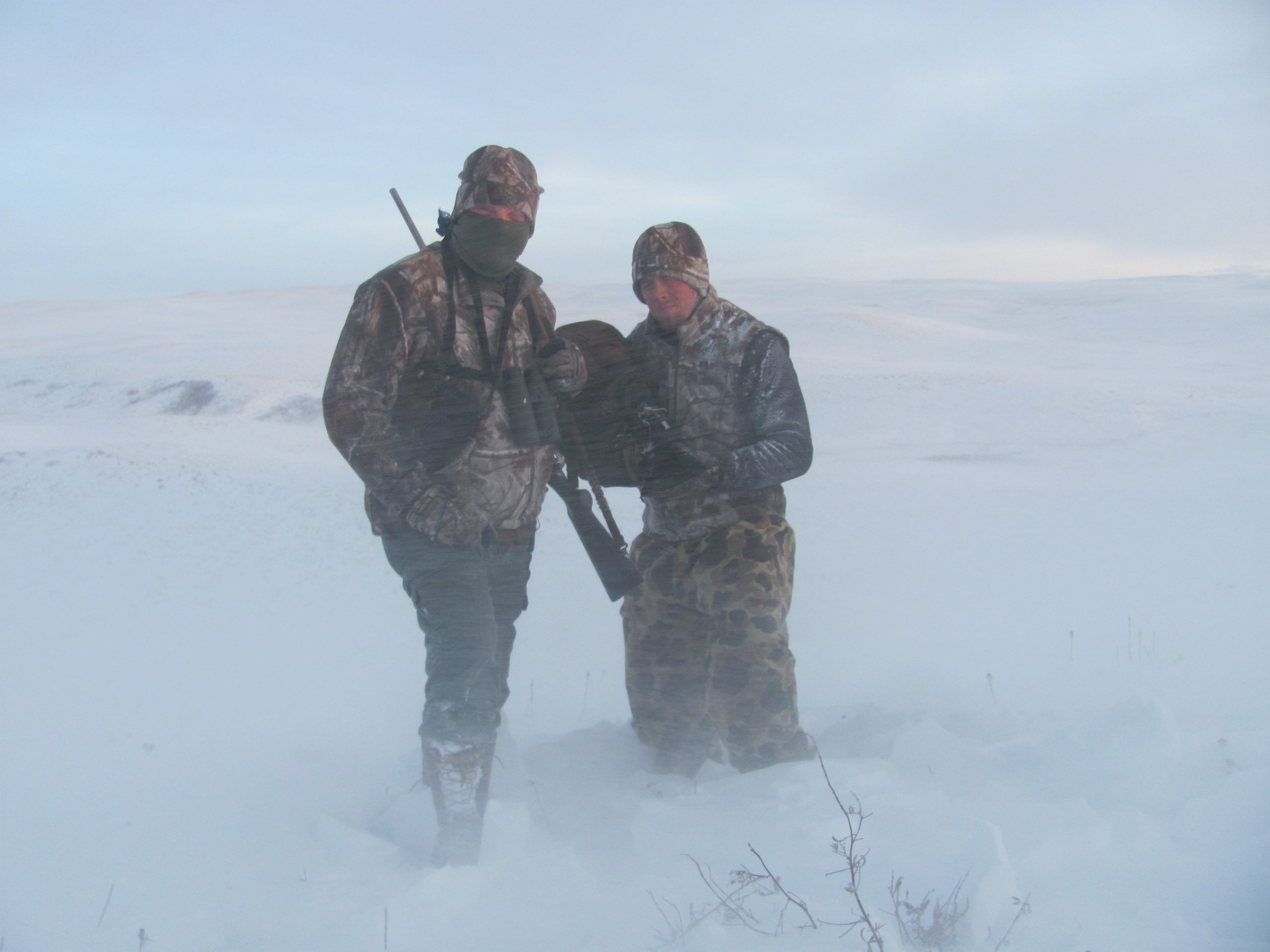
Photo above: In southern Alberta, the author attempted to hunt mule deer in the teeth of a November blizzard. It was fruitless; the only choice was to get out of the wind and wait for the storm to pass.
We’re all different. Some of us do better in cold weather, others when it’s blistering hot. Either extreme can be deadly, and to some extent, effects are cumulative. Back in the 1970s, I got frostbite on my hands and feet during a winter exercise in Korea. It was minor–I have all my fingers and toes–but to this day, my extremities are super-sensitive to cold. It doesn’t have to be very cold for them to hurt like I’m holding them in flames.
Heat exhaustion and, far worse, heatstroke, are also dangerous. Both while in the Marines and while hunting, I’ve spent a lot of time in extreme heat. Fortunately, I’ve never crossed the line into heat exhaustion. I can take hot weather better than extreme cold.
Cold Hunts
When she suggested I write this article, editor Diana Rupp guessed that my coldest hunt was probably my polar bear hunt. Not really. Sure, it was cold, but that hunt occurred at the end of April. There was lots of daylight, and temps were running about 0 to minus 20 F–almost balmy for the Arctic. I’ve been in lower temps on late elk hunts, Asian sheep hunts, Canadian deer hunts, spring grizzly hunts in Alaska, and some other places.
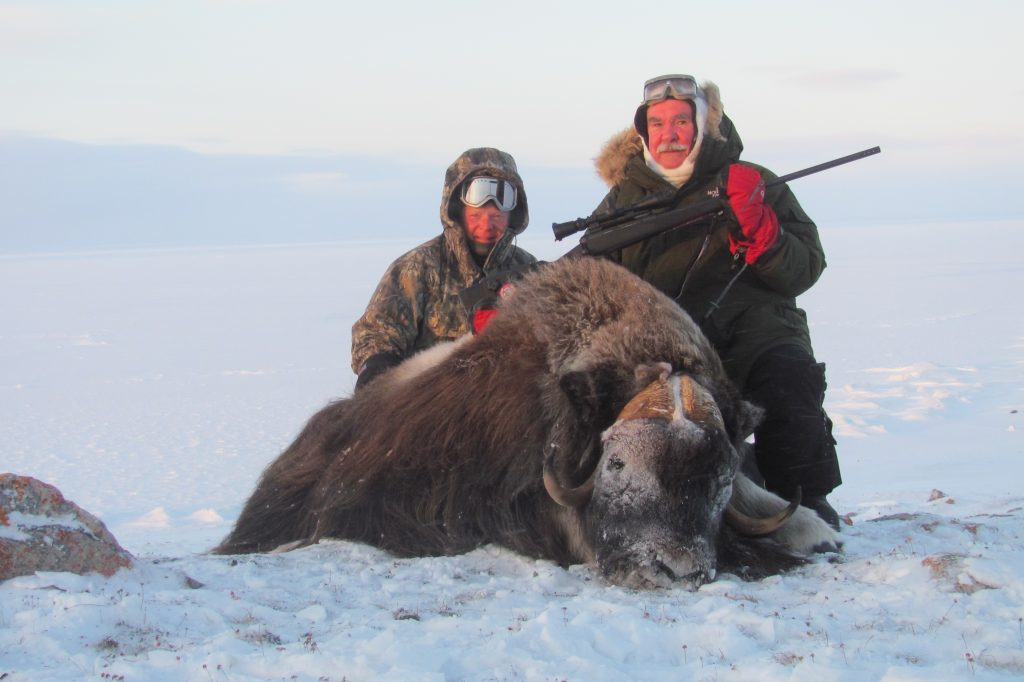
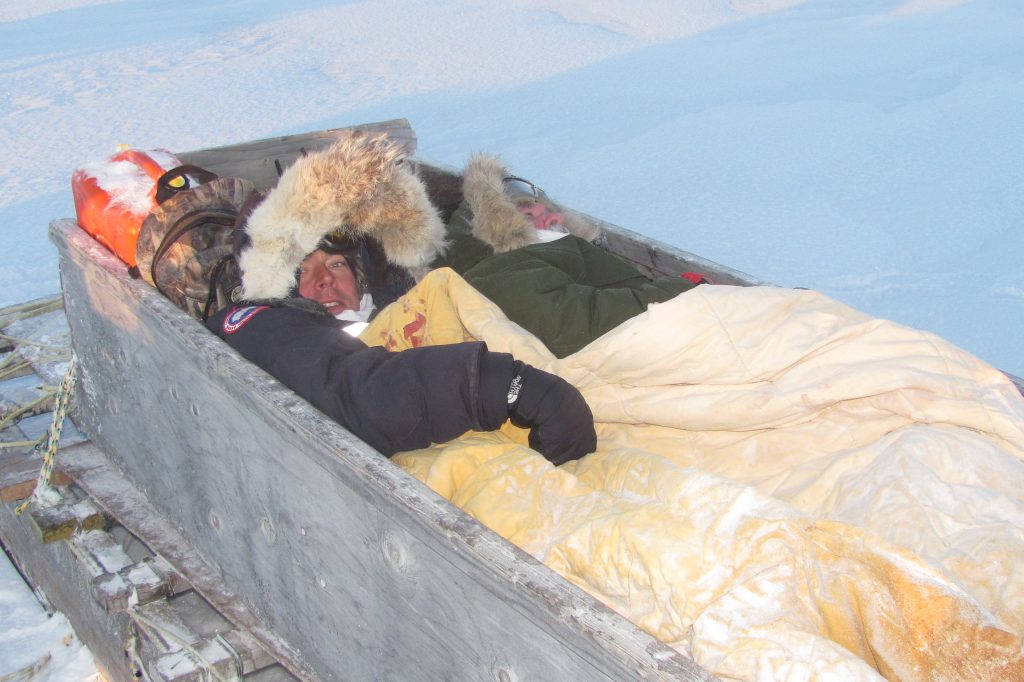
The coldest hunts I’ve ever done were November hunts for muskoxen and Arctic Island caribou. Going late is good for mobility with snow machines. What’s not good is that you only have a few hours of daylight and a long Arctic night. By November, the mercury plummets, and there are a lot of wind and storms.
Wind chill is always the worst. It doesn’t have to be cold to get cold. The coldest I’ve let myself get in a long time was on my son-in-law’s summer polar bear hunt, in early August. It was just below freezing, not really cold. While glassing for bears, we got freezing rain squalls and wind. I needed more layers, and I was hypothermic by the time we got back to camp.
When it’s cold, the simple solution is to dress for it. With good stuff. Take into account your inactivity while glassing, traveling, or sitting on stand, the cold slowly seeping in. On Arctic hunts today, it’s common for the outfitter to supply gear. When Canada first opened modern muskox hunting in 1981, I had one of the first permits, for early November on Victoria Island. I had never been in cold like that. I brought what I had and used Inuit caribou skin parka and overpants. They worked great. Later, I acquired Northern Outfitters (no longer in business) Arctic gear, “moon boots” and layers. That stuff has served me well on all seriously cold hunts ever since.
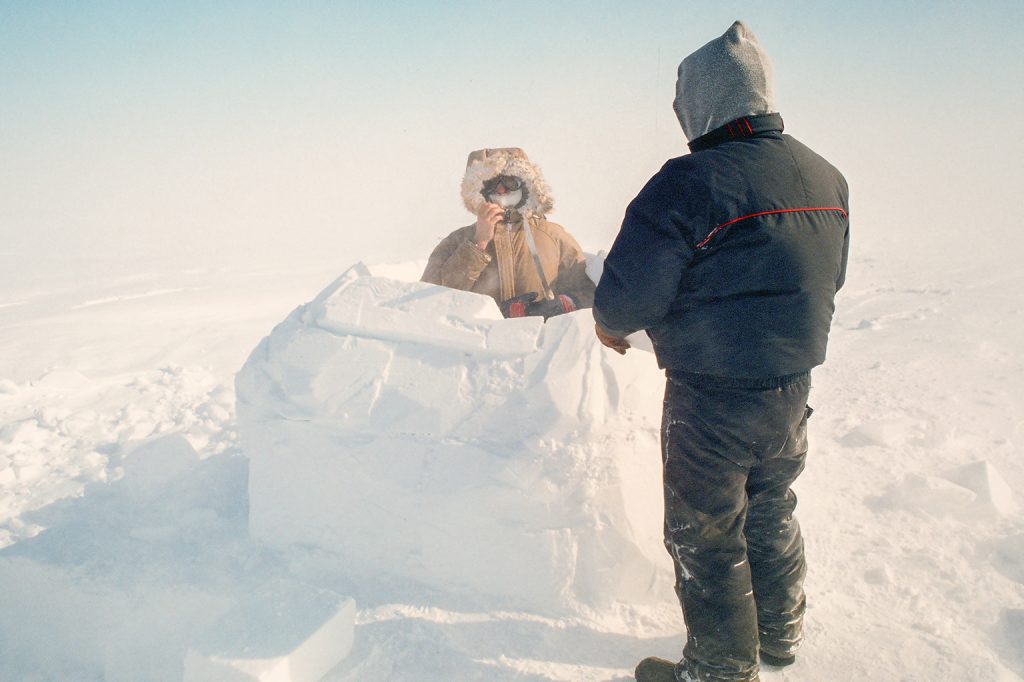
Things to keep in mind: Most heat loss is from the head and neck. I start with a silk bandanna around my neck, a face mask if necessary, then a wool balaclava with plenty of edge to pull down over the ears. Good gloves, with windproof mittens over them. Then, perhaps most important, the outer parka must have a good hood with collar that can be secured. In cold, one must also pound down the calories, and both heat and cold tend to dehydrate you, so keep drinking (in cold weather, warm drinks if possible) and avoid alcohol. Perhaps the worst part of extreme cold is going to the toilet. Which, regrettably, we all must do. Make a plan, lead the need, and get out of the wind.
So, just how cold can it get? The lowest recorded temperature on Earth was in Antarctica, minus 128.6 degrees F. I’ve never felt cold like that and don’t intend to. I have felt minus 50 and lower, but that’s just a number; wind chill and level of activity are more important. On my first Marco Polo hunt in Tajikistan, we got pinned down behind some rocks while waiting for a group of rams to move. My feet were on fire; I did jumping jacks in the lee of a boulder. It helped some, but it was six months before I really got feeling back in my feet.
Hot Hunts
How hot can it get? One fine summer day in 2002, we were operating near the Iraq border. My German battalion commander came up and said, “Sir, I don’t know if you really want to know this, but where we’re standing, it’s 160 of your degrees.” The highest recorded ambient temperature on Earth was in Death Valley, 134 degrees F. So 160 degrees was unlikely. However, it was a German chemical battalion, and weather was critical to their business, so I place some credence in the number—maybe it was some kind of weird hotspot. Even if the sensor was wrong, it was beastly hot. I told the troops to make shade, and we shut down until sunset.
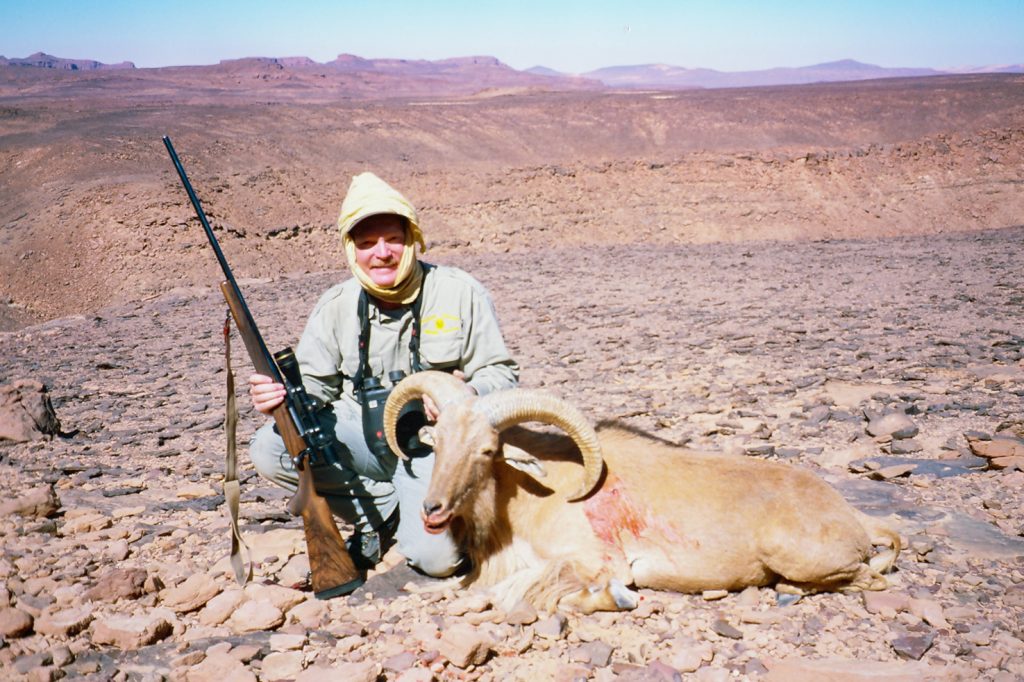
Thanks to years of training at Twenty-nine Palms in the Mojave Desert, I have experience with extreme heat. It’s dangerous, but we paid attention and heat casualties were rare. Covering up is unpleasant, but it’s important to avoid direct exposure to the sun and to keep drinking. The watchwords were: If you wait until you’re thirsty to drink, it’s already too late. Keep pounding fluids down. Good old water is the best, although today’s electrolyte packets are excellent.
Here in North America, we have relatively little hot-weather hunting. One exception is the California Central Coast, where our “A” Zone archery season starts in July, rifle season the second Saturday in August. This area has the greatest average day/night temperature swing in the US; a 50-degree F change is normal. Early mornings are pleasant, then it heats up fast, often to well over 100 degrees. Carry plenty of water. If you get a buck, it becomes a footrace to the cooler.
I was hunting a property adjoining Fort Hunter Liggett with friend and colleague the late Durwood Hollis one blistering August. It was already getting hot and he was just about to turn back toward camp when he shot a buck. He ran out of water and was in serious trouble when he struggled into camp in late afternoon, the buck on his pack frame.
I did more than a dozen safaris in Central Africa, where it’s always hot. The forest zone is both hot and humid, but it’s usually not dangerous heat, and you’re usually walking in perpetual shade. Just keep drinking. Cardinal rule: In warm weather, never leave camp or vehicle without plenty of water. A good guide or PH will know this, but anybody can get excited, so it’s always good to double-check.
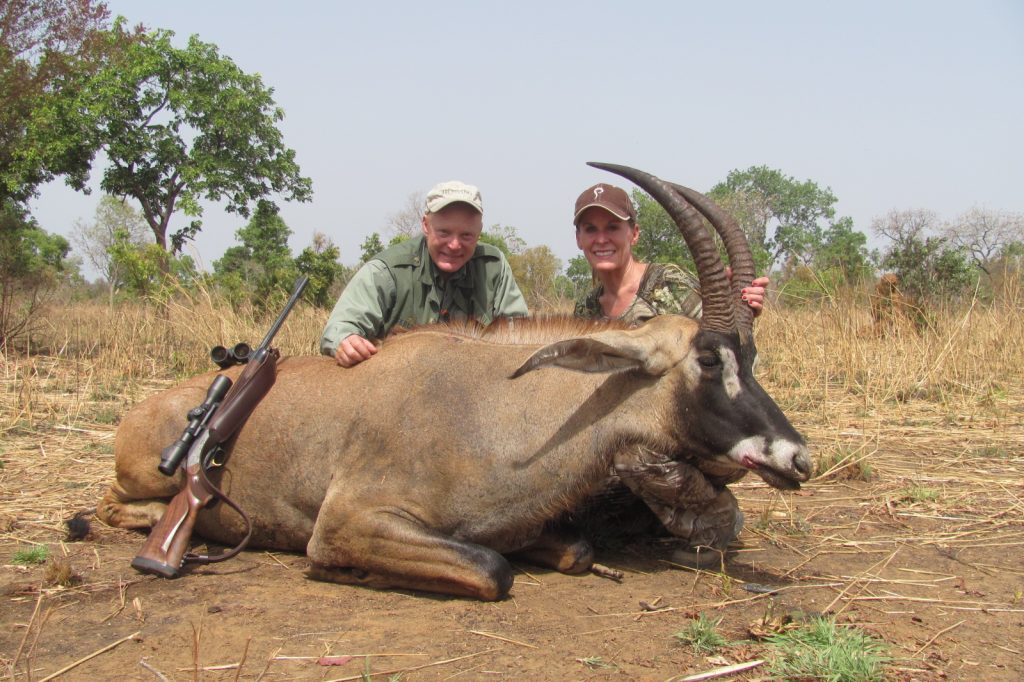
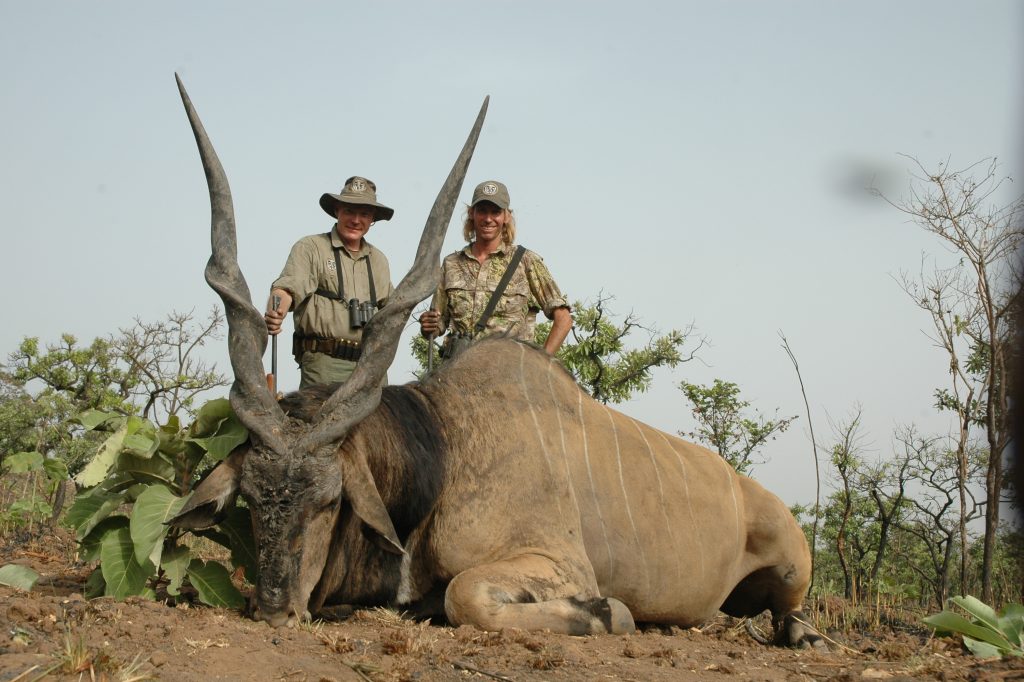
Farther north in Africa, above the forest zone, I’ve found the heat much worse. North of the Equator, there is a short winter, with the months of January and February fairly pleasant. Then it starts to get hot. I did one Derby eland safari at the end of March, and it was brutal. I also hunted Burkina Faso in early April. The hunting was good, but it was too late and too hot, over 100 degrees F by late morning. The camp also served photo safaris in nearby Arly Park, and had a big, crystal-clear swimming pool to plunge into when we got back.
That camp also had air-conditioned rondavels. I’ve seen A/C in other African camps, but not often. Other than keeping fluid going, the best advice I can offer for hot weather hunts: Pack a small personal fan and plenty of batteries. In some areas it cools down a bit at night, others not, and it helps a lot if you can keep the air moving.
I also have a little water bottle with a sprayer and tiny battery-operated fan. The first time we used it was on that hunt in Burkina Faso. One exceptionally hot, still morning, we followed a buffalo for a long time until we couldn’t take the heat. We hunted for shade, drank some water, and that little sprayer perked us up.
Since then, that little sprayer has been part of my gear for swamp hunting in Mozambique. In Southern Africa—Namibia, South Africa, Zimbabwe—the seasons are opposite, and winter mornings can be cold. October heats up and November is brutal, known as the “suicide month” in Zimbabwe. Late-season hunting is excellent, with game concentrated around available water, but it’s hot. And doesn’t cool down much at night.
Mozambique is more tropical, always warm, but very hot in October and November. Near the Zambezi Delta, where I usually hunt, the Indian Ocean is near, so it cools down at night. However, when we go out into the swamps, there’s no shade and it’s hot. I still like the late season, because the hunting is good. If you’re the opposite of me and know you don’t do well in heat, go earlier.