Sports A Field

Counting Sheep

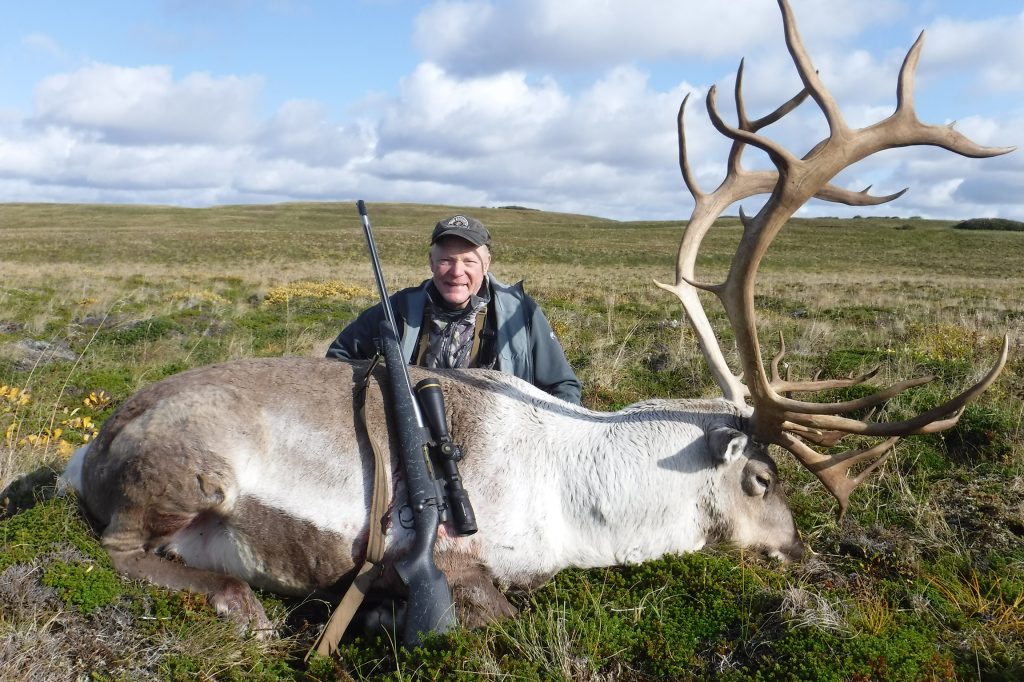
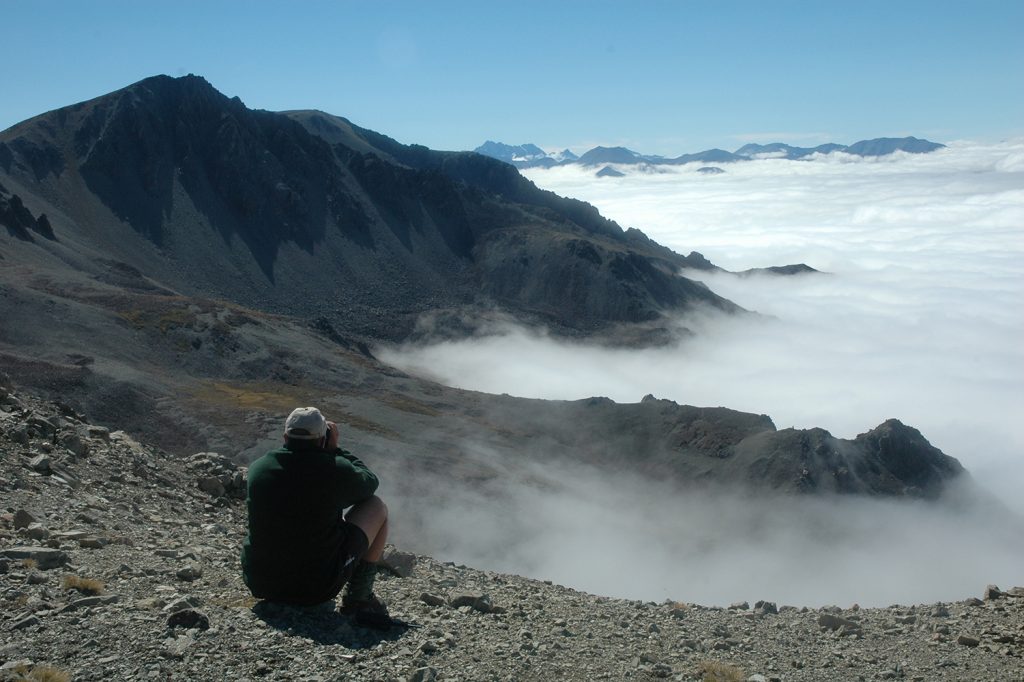
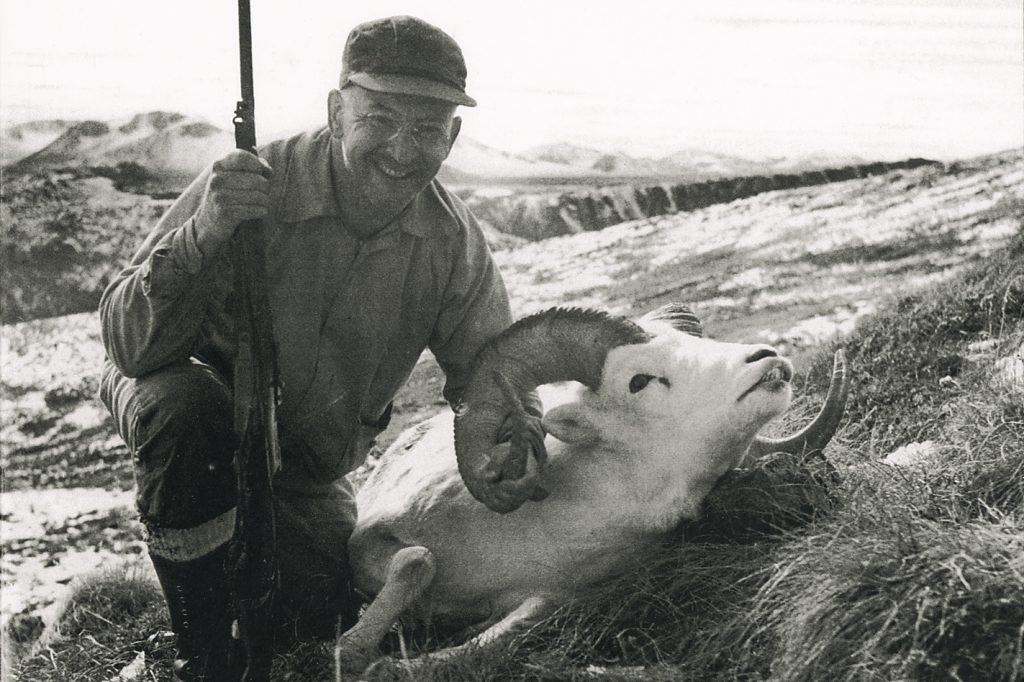
Wild sheep are a conservation success story, but it’s still tough to draw a tag.

Photo above by Vic Schendel

As a hunter in America today, if you want to hunt deer, you can do so without much trouble. Want to hunt pronghorn, elk, or black bears? With a little planning, you can likely pull those off as well.

Wild sheep, though, are a different story. If you want to go on a sheep hunt, you are probably going to have to do one of two things: spend years and years applying for tags, with no guarantee of ever drawing one, or pony up a significant amount of money for a guaranteed tag and a guided hunt in a place like Alaska, Mexico, Alberta, or British Columbia.

Quite simply, it’s a supply-and-demand issue. The conservation efforts funded by hunters since the 1930s have been phenomenally successful at restoring abundant populations of deer, elk, pronghorn, and other animals to North America. But sheep populations are fragmented, and wild sheep face unique threats, chief among them a vulnerability to respiratory disease from domestic sheep and goats.

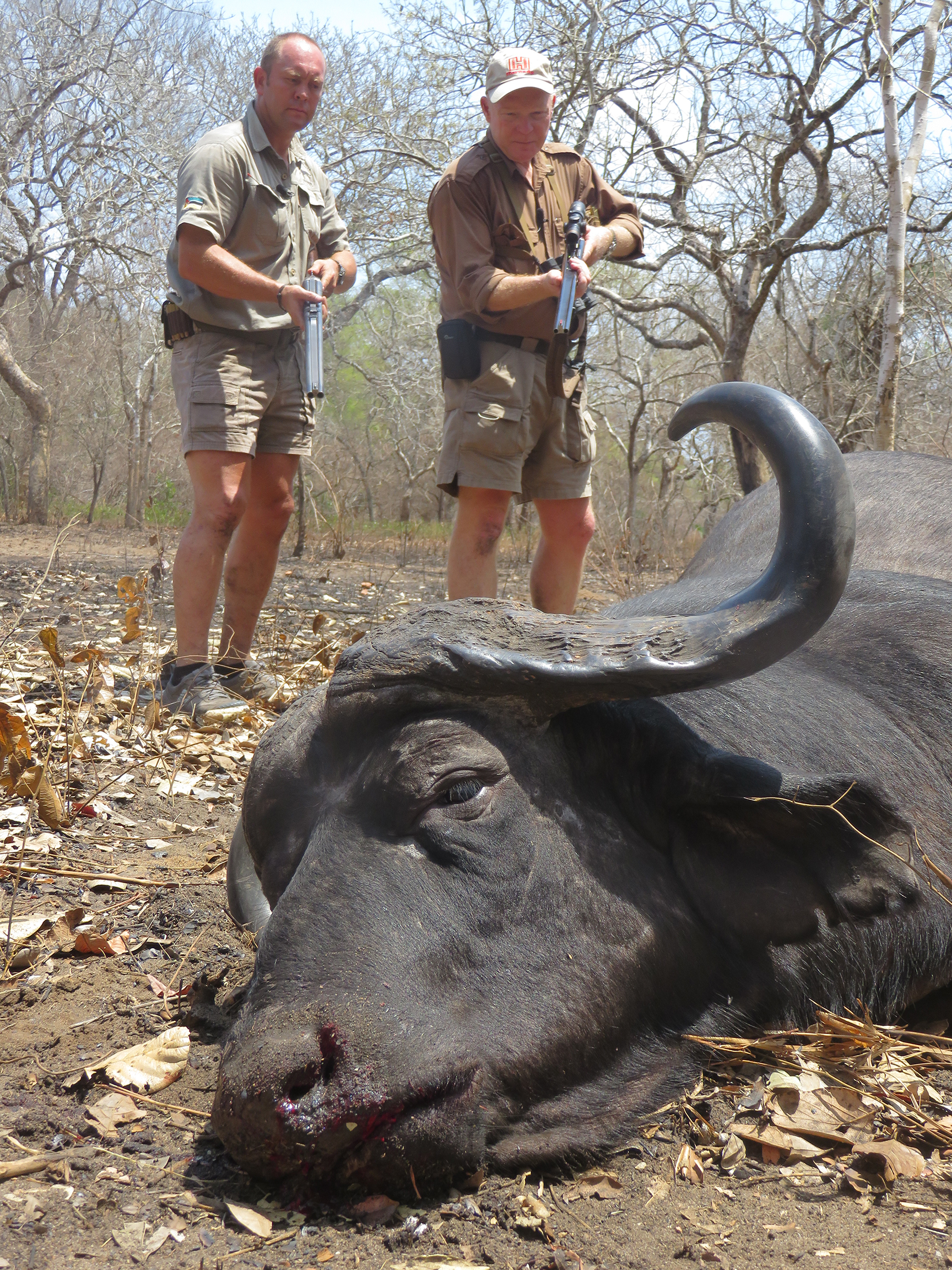
The fact that most hunters who love sheep will never actually get to hunt one has not stopped the impressive conservation efforts that hunters are funding for these animals. One of the most successful has been trap-and-transfer programs. According to the Wild Sheep Foundation (WSF), over the past century, some 22,000 wild sheep, primarily Rocky Mountain and desert bighorns, have been captured from healthy herds and transplanted into areas with few or no sheep, vastly expanding North America’s sheep range and population. A recent example was a 2021 release of 19 ewes, 2 lambs, and 5 rams into Montana’s Tendoy Range, where the previous bighorn population had been wiped out by respiratory disease in 2015. More sheep are set to join them this year.

Thanks to these efforts, which are spearheaded and supported by conservation groups such as WSF and its chapters, state and provincial game departments, and private landowners, North America’s bighorn populations have increased from an estimated 25,000 in 1960 to 85,000 today. That’s still not a huge number, but it’s a vast improvement, and represents a consistent trend in the right direction.

It’s impressive that so many people who will probably never draw a sheep tag are committed to sheep conservation anyway. There’s a precedent for this. It’s hard to imagine now, but a century ago, white-tailed deer numbers were so low that most hunters didn’t even bother trying for one. Through habitat work and trap-and-transfer programs, conservation-minded hunters worked to change that. Today, of course, we take for granted that we can get a deer license. Those who are dedicated to sheep conservation hope that one day, the same scenario will hold true for sheep—and that sheep hunting will have gone from aspirational to attainable for the average hunter.

To learn more about the Wild Sheep Foundation and its conservation work, visit wildsheepfoundation.org.

Leave a Comment

We Did It Again!

We are thrilled to announce that for the seventh year in a row, Sports Afield was selected as one of License! Global magazine’s Top Global Licensors. License! Global magazine is the leading publication in the brand-name industry. The editors compile a list of the top global brands each year. We came in at No. 68 for 2022, and it’s exciting to be ranked among Coca-Cola, NASCAR, Major League Baseball, National Geographic, and Lamborghini. Our thanks go out to the network of Sports Afield Trophy Properties brokers, the Sports Afield Consumer Products company, and all the members of Team SA and SATP for their hard work in building and promoting this wonderful brand.

Leave a Comment

Safari Rifle Trends

Boddington noticed some interesting shifts in the equipment hunters chose to use on safaris in Africa in 2022.

In June 2022, I shared campfires in South Africa with a dozen-plus first-time African hunters. Being in camp with African newbies is fantastic, because I know no other way to almost recapture the wonder and magic of a first sojourn in Africa.

Initially, I joined a half-dozen friends at Carl van Zyl’s John X Safaris, then two groups of SCI auction hunt winners at the Burchell family’s Frontier Safaris. Both operations are in the Eastern Cape, but the areas have very different topographies. All of the hunters were on plains game safaris.

“Plains game” is a bit of a misnomer because not all African game lives on open plains. Many species prefer thick bush, others mountains. Most are antelopes, but don’t forget warthogs, bushpigs, and zebras. Variety is Africa’s greatest treasure and, in Southern Africa, the somewhat misnamed “plains game safari” is the best deal in the hunting world!

The first group of hunters consisted of experienced Midwest whitetail hunters; the second camp was mostly folks from the Rocky Mountain West, experienced elk hunters. Everybody wanted a kudu, and had other recognizable species like impala and warthog on their agendas, but most kept their options open. My first safari was long ago, but I guess I was obsessed by Africa before I got there; my early safari “wish lists” were detailed.  These hunters probably approached it correctly: See it, get a taste, decide what looks interesting. As in: “Oh, so that’s a hartebeest, cool!”

Beau Hammon was the lone bowhunter and the only guy who started with a sable on his wish list. At John X, Beau got his archery sable, a gorgeous bull. In fact, he did wonderfully with his bow by stalking, only using a rifle for his kudu. At Frontier, engineering professor Hamid Saadatmanesh, SCI auction hunt winner, hadn’t considered hunting a sable. I was with him when we glassed a fine bull; he hesitated about five seconds, and a stalk was on.

I did little hunting for myself, usually tagging along with one party or another. Thing is, there’s not much I need in Southern Africa, but it’s still a delight to enjoy the wildlife and share the excitement. And, I’m a gun guy. I like to see what’s being used, and what works.

Among these hunters, I observed two trends that, perhaps, reflect a shift in thinking on rifles and cartridges for African plains game. First, in both camps, the majority of the hunters opted to use camp rifles. This was usually because traveling with firearms adds to the hassle. As far as cost, it is kind of a wash. Rifles and ammo are costly in Africa, so expect a rental fee. On the other hand, airlines now charge extra for firearms, and all charge for excess baggage. There may be gun permit or clearance fees and, with a big, heavy gun case, you’ll incur some extra tips. For me, these are costs of doing business; I prefer to bring guns I can write about. This doesn’t apply to most hunters, so a sensible decision can be made whether to bring or borrow.

Because more hunters prefer not to travel with firearms, outfitters are stepping up and investing in better guns. Just always be sure to check to find out what’s available. In Southern Africa, it’s a piece of cake: Almost all outfitters have suitable guns. So it’s your choice: Enjoy the satisfaction of using your favorites, or save the hassle and probably some cost, and use camp guns.

Kris Reeder with a great warthog, taken with one of John X Safaris’ Gunwerks in 7mm LRM, suppressed and wearing a 3-18X scope. Pretty fancy camp rifle, but with more hunters avoiding travel with firearms, outfitters are investing in better guns.

Some of the hunters did bring their own firearms, of course. At John X Safaris, Steve Molter brought a pristine, vintage Belgian Browning, Mauser bolt-action, in .30-06. His old-fashioned .30-06 served him well (just like I’ve always said it would) both on big animals like kudu and zebra and on smaller, nervous animals like springbok and impala. He and I could find agreement on his near-perfect choice. Similarly, at Frontier, a father-son team rented a .308 Winchester. Okay, I’m more of a .30-06 guy, but the .308 is a good and traditional choice.

But those were exceptions, and that’s the second trend I noticed: At least among these hunters, faster cartridges in modern platforms were “in,” bringing greater range capability than I’m used to seeing. Historically, long-range shooting has been uncommon in Africa, probably because of a combination of good stalking and the traditional African rule that one drop of blood spilled equals a license filled.   

I usually prefer traditional calibers, but for this hunt I went off the reservation, making non-traditional (and thus uncharacteristic) choices. Wanting to spend time afield with new stuff, I took a new Gunwerks Nexus in .300 PRC and a LAW M704 in 6.8 Western. I thought the guys would laugh at me, but my choices fit right in! 

Hamid had a Gunwerks 7mm Remington Magnum, so did John Macones (also an auction hunt winner). My buddy John Stucker had his Christensen in 6.5 PRC. And at John X, outfitter Carl van Zyl had several Gunwerks rifles on hand (pretty fancy camp rifles). These were chambered to 7mm Long Range Magnum (LRM), a proprietary based on the shortened Remington Ultra Magnum case, so similar to the PRCs and Nosler cartridges, good velocity, fast twists for heavy-for-caliber bullets.

Hamid Saadatmanesh brought his well-practiced and dialed-in Gunwerks 7mm Remington Magnum and used it well on his first safari, taking several fine animals, including this good gemsbok.

At Frontier, except for that .308 (which performed just fine), the camp rifles were .300 Winchester Magnums, plus a .300 Jarrett. Rifles in the faster, flatter-shooting cartridges (including mine), mostly wore bigger scopes than I have typically used in Africa, up to 3-18X and 5-25X. Almost all were dialed in for longer-range shooting.

Traditional African shooting rarely exceeds 300 yards. With good equipment and preparation, I saw this expanded to well beyond 400 yards, with some exceptional shooting. I made the two longest shots I have attempted in Africa, not “extreme,” but to 500 yards. I made a spectacular miss when, mysteriously overnight, my .300 PRC shifted enough that I missed an entire eland. Stuff happens, you just re-zero and go back to work. The rifle must have taken a tremendous knock; who knows how.

The Gunwerks Nexus in .300 PRC with an exceptional Eastern Cape greater kudu. A long shot was the only option; the equipment was up to the task.

Most mess-ups were standard and predictable. On their first safari together, PH Harry Selby soothed Robert Ruark’s by saying, “Everybody misses at first; it’s the light.” No, it’s first-safari jitters; my first safari also started with bad shooting. Let’s not name names, but the majority of hunters in both camps missed their first opportunities. Expect this. Deal with it and try again! 

Since the modern “long range rig” was predominant, a lot of hunters brought bipods, intending to rely on them. Much of the Eastern Cape is open enough for shooting prone-with-bipod, and there are also lots of rocks where bipods might be employed. However, there’s also a lot of thick, thorny brush, where flopping down isn’t the best idea. Traditional African shooting sticks thus remain useful. I was disappointed that some hunters complained about initial misses because of unfamiliarity with sticks. It made me feel like I’ve been talking to an empty room for forty years! I’m guessing this is a product of American long-range courses, which stress bipods. They offer great stability, but it’s foolish to end up in Africa with no “stickology” practice. Surely I’ve written about this before?

The Gunwerks .300 PRC accounted for this blue wildebeest. Wildebeest are tough, but like all fast .30s, the .300 PRC is a powerful cartridge. A frontal shot with a 190-grain CX dropped the animal in its tracks.

Interestingly, rather than traditional three-legged African shooting sticks, most PHs in both camps had switched to modern sticks that stabilize both the butt and fore-end, notably the French-designed “4 Stable Sticks.” Like all else, using these takes practice, but stabilizing both butt and fore-end increases stability and thus range, making them very effective in areas (like Eastern Cape), where average shooting distances are farther than in thick thornbush. 

I was a bit disturbed by the frequent use of match or “long-range” bullets, rather than hunting bullets designed to provide penetration on a wide variety of game. Despite my concerns, things worked well. After a day or so (and some embarrassment), all hunters got their sea legs and finished with good bags. Wounded animals were few, unrecovered animals were almost nil. However, as animal size and distance increased, we had some lively discussions about bullets, calibers, cartridges, hitting power, and shot placement.

There were two more sub-trends worth noting. Virtually all of the “camp rifles” were fitted with suppressors. Easily accessible to South African hunters, they made my role as “observer” painless. On my unsuppressed rifles, one with a muzzle brake, I needed to remember earmuffs and remind my team to plug their ears when I prepared to shoot. Also, spotting scopes. Once rare in Africa, good scopes were carried by most PHs, and employed constantly.  

Essential to so much hunting, spotting scopes are just now coming into widespread use in Africa. Ideally suited to the Eastern Cape’s big country, Boddington noted more use of spotting scopes than he’s seen.

Another lesson was just for me: It’s no secret my taste in rifles run toward walnut and blue. Out with Steve Molter one day, Carl and I glassed from a valley while Steve and his PH stalked an impala on a steep ridge above us. It was late morning and the sun was bright; I was horrified by the glint and glare coming off Steve’s Browning, a gorgeous, but with high-gloss stock and bright blue metal. I doubt my preferences will change, but there’s something to be said for Cerakote, matte, and carbon fiber!

Leave a Comment

Best Bets for Buffalo

Choosing the right destination for your Cape buffalo hunt.

There are two big differences between hunting in Africa and the rest of the world. First is the variety. A typical hunting area in Africa will hold ten or a dozen varieties of antelopes. This occurs naturally almost nowhere else on the planet.

Second is the opportunity to pursue dangerous game: the traditional Big Five or the newer Dangerous Seven (adding crocodile and hippo). Costs vary, but Africa’s full suite of dangerous game remains huntable. In the fifty years that I’ve been obsessed with African hunting I’ve seen opportunities ebb and flow. In the 1970s, Americans couldn’t import leopard trophies, and hunting a Southern white rhino was unimaginable. In the 1980s, it was widely held that elephant hunting was finished. On the other hand, lion hunting was still readily available.

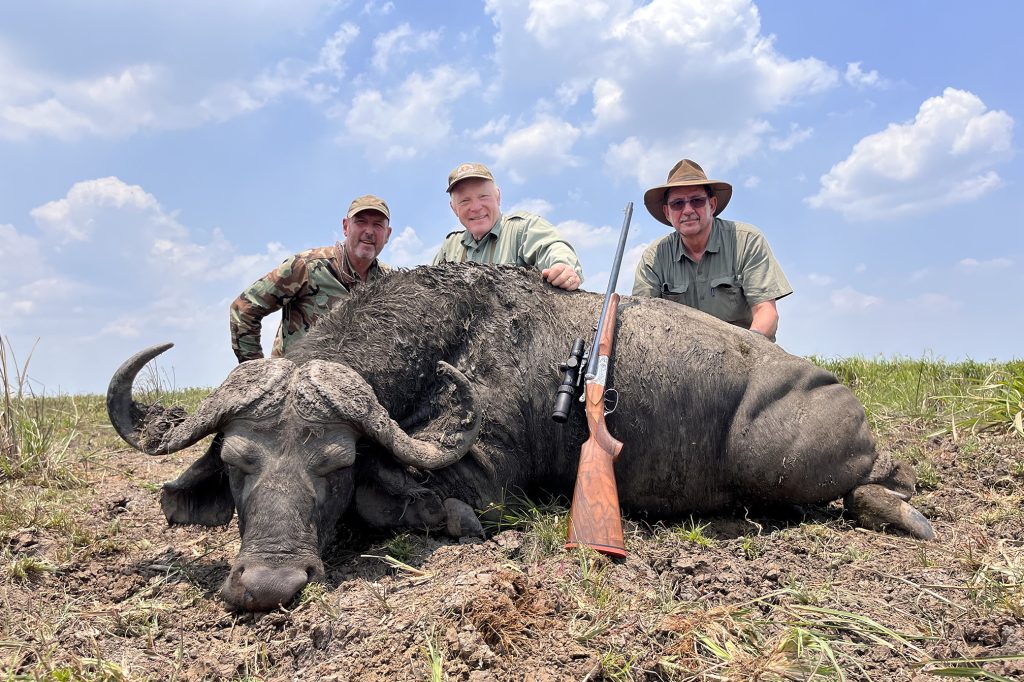
Throughout it all, the African buffalo has been the constant, easily the most numerous, widespread, and available of Africa’s dangerous beasts. Today, many hunters have little interest in pursuing pachyderms and the great cats, even if they could afford to. The buffalo is a different deal. Most hunters who dream of Africa long for a face-to-face encounter with Africa’s “black death.” As iconic as his fearsome fellows, no one considers the African buffalo threatened. In hunting areas, he is an important meat source, and also marvelous fun to hunt. He is an affordable dream, on par with a decent elk hunt.

Where, across the vastness of Africa, are the best places to fulfill that dream? This, too, has changed. In the 1970s, the short, inexpensive “plains game safari” didn’t exist, and ten-day buffalo safaris were unusual. Typical safaris were three weeks, including opportunity for two or three of the Big Five. Back then, little was going on in Namibia or South Africa. The most common destinations were Botswana, Kenya, Tanzania, and Zambia. All held plenty of buffalo.

The closure of Kenya in 1977 changed the game. Sleepy Namibia and South Africa came to life and game ranching industries grew. Inexpensive and productive, Namibia and South Africa became hubs for the emerging short plains game safaris, but buffalo were scarce and expensive there.

In 1981, Rhodesia became Zimbabwe and the long, brutal bush war ended. This opened up the buffalo-rich Zambezi Valley and another “new” safari emerged: The ten-day buffalo safari. Zimbabwe was the leader, but she had competition. Buffalo were plentiful in many areas, with larger quotas than for other dangerous game and key antelopes. Botswana, Tanzania, and Zambia competed directly with Zimbabwe in the growing “buffalo safari” market. Costs were higher than “plains game only,” but a fraction the cost of full-bag safaris in the same areas, from the same camps.

Things changed again. With burgeoning herds, Botswana reopened elephant hunting. Since then, and now, hunting in Botswana is an “elephant economy.” In truth, all other species in Botswana are depressed from competition with overpopulated elephants. She has excellent buffalo, but nothing like the numbers I saw in the 1980s, and Botswana hunting is not inexpensive.

Let’s take a look at a few notable places to hunt buffalo today.

TANZANIA AND ZAMBIA

Tanzania has a huge buffalo population, especially in the Selous Reserve and the central Rungwa region. With multiple buffalo on a seven-day license, she remains a good destination for a shorter buffalo safari. However, operating costs are high, and air charters are usually needed. Tanzania offers wonderful buffalo hunting, but is more expensive than other current options.

Zambia is similar. Although still a primary destination for full-bag safaris, she has fantastic buffalo. Two of my “top three” buffalo came from Zambia, and I was pleasantly amazed at the numbers of buffalo—and quality of bulls—I saw in the Luangwa in July ’21. Zambia is also a costly country to hunt but excellent for buffalo.

A nice bull from Tanzania’s Selous Reserve. The huge Selous has Tanzania’s largest buffalo population, probably the one area in Tanzania that makes sense for a short safari with buffalo as the primary goal.

SOUTH AFRICA

By the early twentieth century, South Africa’s buffalo were nearly eradicated because of bovine diseases. Using scarce and precious disease-free stock, South African game ranchers have been breeding buffalo for decades. Genetics are superb, but building up the numbers took many years. For most of my career, surplus bulls in South Africa have been scarce. And, despite horn quality, so expensive that I discounted them. It happened so gradually that I just plain missed the sea change. Today, huntable private herds exist all over South Africa.

Supply finally matched demand, and prices plummeted. Trophy fees will be high for exceptional bulls (which South Africa definitely has), but daily rates are Africa’s lowest, and average horn quality excellent. Roads are good, along with an effective network of internal flights.

Put it all together, and South Africa now offers the least expensive buffalo hunting on the continent. There is one catch: Most of her buffalo are behind fences. Some “buffalo properties” are large, others not. Bush tends to be thick, and my experience with these buffalo is they tend to be unusually aggressive. Also, they know their ground, so hunting them often isn’t easy. Most of the time, hunters are unaware that there’s a fence out there somewhere, but its presence is a fact one must be aware of when considering a buffalo safari.

This South African bull, photographed in a disease-free breeding herd, is the most beautiful buffalo Boddington has ever seen. Bulls like this remain expensive, but South Africa’s buffalo genetics are second to none.

ZIMBABWE

Zimbabwe remains a fine buffalo destination. With good numbers and resultant quotas, Zimbabwe probably offers Africa’s least expensive free-range buffalo hunting. The “ten-day buffalo safari” is Zimbabwe’s most popular hunt, bread and butter for her outfitters. Buffalo are found all around her periphery: Zambezi Valley to the north; Matetsi to the northwest; the entire Hwange Park corridor to the west; and on the huge conservancies to the south and southeast. Areas vary, depending largely on management. Zimbabwe is not known for huge bulls, but this is misleading. Zimbabwe’s buffalo country tends to be thick. This makes it difficult to identify the best bulls, but they’re there. I’ve taken a few great Zimbabwe bulls—and seen more taken. Zimbabwe is solid for buffalo, with hunting usually done by the classic tracking method.

Zimbabwe isn’t famous for monster buffalo, but they’re definitely there. Wayne Holt took this 45-inch bull in the Zambezi Valley.

MOZAMBIQUE

In Portuguese days, Mozambique was known for legions of buffalo. She wasn’t hunted during her long civil war (1975—1992), and in its wake little wildlife remained. Hunting resumed thirty-some years ago. In that time her wildlife has recovered, at least in well-managed areas.

Mozambique offers relatively inexpensive buffalo safaris. Prices are similar to Zimbabwe, a primary difference being that Mozambique is a huge country with poor roads, so charter flights are usually needed. Without question her greatest concentration of buffalo is found in the Marromeu complex south of the mouth of the Zambezi. From perhaps 1200 surviving buffalo in 1992, the current count is 30,000, one of Africa’s greatest concentrations. In recent years, Marromeu buffalo have been captured and moved to less fortunate areas, including around Gorongosa National Park.

I love the swamp buffalo hunting in the Zambezi Delta, but it is not Mozambique’s only good buffalo area. The north, in and around huge Nyasa Reserve, doesn’t have as many buffalo, but produces outstanding bulls. Likewise, the Lower Zambezi, where Mozambique, Zambia, and Zimbabwe join. Mozambique’s long Kruger Park boundary also holds big bulls.

PH Mark Haldane and Kelly McMillan approach a superb bull, taken in coastal Mozambique. This area is probably not the best place to look for a huge bull, but there are occasional monsters.

NAMIBIA

Much of Namibia is just too dry for buffalo. More importantly, because of bovine disease concerns, her game ranchers have not been allowed to breed up buffalo like their South African counterparts. As a result, Namibia’s buffalo country is limited, primarily to the Caprivi in the far north, and isolated reserves, such as Waterberg in the northeast. As a result, quotas are low and prices for Namibian buffalo hunts are high. Against this, management is superb and, wherever found, quality is outstanding.

Despite limited numbers and small quota, Namibia produces excellent buffalo. This fine bull was taken in Caprivi.

UGANDA

Before Idi Amin came to power, much of Uganda was overrun with buffalo, with up to five on license. Like Mozambique, little was left when the dust settled. The difference: Hunting resumed in Uganda just a dozen years ago, and only in isolated pockets. Those pockets are good and have gotten better, with recovery ongoing. Uganda’s hotspot for buffalo is the famous Karamoja region in the far north. On the South Sudan border, Kidepo National Park holds more than 10,000 buffaloes, with hunting areas to the south.

Northern Uganda buffalo are classed as Nile buffalo, a bit smaller than Cape buffalo, with flatter horns. Realistically, Kenya lies just over the ridge from Karamoja, and Kenya was famous for big bulls. Karamoja’s buffaloes are unquestionably a mix, but she produces good bulls. Maybe not the biggest in either body or horn, but for those who crave a “40-inch” bull, Karamoja is one of the best places I’ve seen. It’s important to time it when the grass is short. In March, I’ve never seen a place where I could look over more bachelor groups. Many bulls are flat and narrow but in the mix are gorgeous bulls with spreads into the low forties.

Mike Adams took this 46-inch bull in Uganda’s Karamoja. Such bulls are rare everywhere, but the Karamoja is an excellent place to look for buffalo in the forty-inch class.

Leave a Comment

Best Places to Hunt Kudu

The “gray ghost” is widespread in Africa, but some regions are better than others.

With attractive gray hide, bright white vertical body stripes, and those magnificent spiraling horns, the greater kudu is among Africa’s most striking antelopes, and perhaps the most eagerly sought. Everybody who goes on safari wants a greater kudu!

First, you must seek them where they live. After the bushbuck, the greater kudu is the most widespread of the spiral-horned antelopes. Except for an isolated pocket where CAR, Chad, and Sudan meet, the greater kudu is primarily an animal of East and Southern Africa. It is found from Eritrea and Ethiopia down through Kenya, Tanzania, and Mozambique; then on west through Malawi, Zambia, Zimbabwe, Botswana, and Namibia, and down through much of South Africa. Even in parts of this region where the kudu is not native, it has been widely introduced.

There are many choices for a kudu safari. However, kudu densities vary widely. Although they need water, they do fine in arid country but, as browsers, they are primarily creatures of thornbush and woodland. They love hilly country, are rarely found in open grasslands, and never in swamps.

The several races of greater kudu are visually identical, but there are size differences. Rowland Ward recognizes four regional groupings: Western, Abyssinian, East African, and Southern greater kudu. SCI echoes these, but adds Eastern Cape greater kudu because the kudus of South Africa’s Eastern Cape region are shorter in horn, and this population is geographically isolated.

The Western greater kudu, also isolated, is the smallest. I hunted this kudu in southeastern Chad. I saw my bull silhouetted on a skyline and he looked like a giant. When I walked up to him, I wondered where the rest of the animal had gone! He was a third smaller than all other kudus.

Of the several races of greater kudu, the western greater kudu is the only one that is visibly different, at least a third smaller in body size, with smaller horns in relation to the body. This bull was taken in southeastern Chad in 2001. 

The Southern greater kudu grows the largest horns. RW’s Top 10 Southern greater kudus are alllarger than the current world record for any other greater kudu! Most African hunters desire a kudu and, of course, everybody wants a big kudu. If you peruse RW’s listings, you will instantly note that seven of the Top 10 southern greater kudus were taken in South Africa. More on this in a moment.

Kudu populations have changed, and African hunting has changed. In his landmark work Big Game Shooting in Africa (1932), Major H.C. Maydon wrote that Eritrea was “the best kudu grounds” in Africa. Maydon took an awesome 55-incher in 1927. Obviously, he found kudus plentiful then, but no longer. Greater kudus are on license in Ethiopia, but populations are scattered and thin on the ground. Today, an Abyssinian greater kudu is harder to come by than a mountain nyala.

When we read older accounts, we get the idea that kudu hunting is difficult and chancy, the kudu often described as the “gray ghost.” On his 1933 safari in Tanganyika (now Tanzania), Ernest Hemingway struggled for a greater kudu, and finally prevailed. Twenty years later, also in Tanganyika, Robert Ruark struggled harder, and never got his kudu. Most safaris before 1970 took place in East Africa. Both Kenya and Tanzania produced some fine heads, but the greater kudu was never a common antelope in either country.

PH Carl van Zyl and Brittany Boddington with a very good Eastern Cape greater kudu. Recognized by SCI, not by Rowland Ward, Eastern Cape kudus are typically shorter-horned than southern greater kudus. Monsters are rare, but the Eastern Cape is one of the best places to hunt kudu today.

In 1988, hunting with Michel Mantheakis in Tanzania’s Masailand, I shot a beautiful 52-inch kudu; the way the trackers carried on, you’d have thought it was a hundred-pound tusker! Twenty years later, also with Mantheakis on Tanzania’s southern border, we saw lots of greater kudus, and I took one of my best. There are kudu hotspots in East Africa. However, the primary reason the old accounts make kudu hunting seem so difficult is that they were hunting them in the wrong parts of Africa.

The Southern greater kudu is far the most numerous and, in much of Southern Africa it is the most common large antelope. It’s still the gray ghost, never easy to hunt, but your chances are better if you hunt where there are lots of them!

So, let’s take a little tour around Southern Africa. The current world record, an astonishing bull, 73 inches around the curl, was picked up in Mozambique by Dr. Carlo Caldesi. Must be a great place for kudu, right? Yes…but not everywhere. Most of my Mozambique hunting has been near the mouth of the Zambezi. Kudus are on license, but the area is too wet; I’ve never seen a kudu there. Farther inland, on the Kruger boundary, around Gorongosa National Park, up the Zambezi, and north around the Nyasa Reserve, kudus are fairly plentiful and quality is good. A kudu is a normal part of a safari bag for hunters willing to put in the time.

Pretty much the same applies to Zambia, although I’ve never taken a kudu there. My sense is that kudus, though widespread in Zambia, are rarely plentiful, but quality is good. In 1996 in the Kafue, campmate Gary Williams took a monster 58-incher, one of the biggest kudu bulls I’ve ever seen on the ground. In July 2021, in Luangwa North, son-in-law Brad Jannenga got a nice bull without extreme effort. We saw quite a few kudus, including a bigger bull that gave us the slip. Although I’ve done six safaris in Zambia, I’ve never invested time in hunting kudu because, like most people who hunt that country, other game was a higher priority. Make kudu a priority, put in the time, and Zambia should produce.

Botswana is a sleeper destination for kudu, with ideal habitat except in the depths of the Kalahari. In the 1980s, when elephant hunting was closed, Botswana competed with Zimbabwe in the “buffalo-and-plains game” market. A nice kudu was routinely part of the bag.

In the Okavango in 1985, PH Ronnie MacFarlane announced one morning: “We’re going to go to a river I know of and get your kudu.” We arrived at midday and the area was teeming with kudus. I think I saw fifty bulls!

Today, with hunting in Botswana reopened, overpopulated elephants are the biggest draw, but don’t overlook the excellent plains game hunting, especially on some of the huge private ranches. 

Zimbabwe is a small country, but awesome for kudu. I shot my first kudu there in 1979, in the southeastern Lowveld with Barrie Duckworth. Zimbabwe also showed me the biggest kudu I have ever seen. Brittany and I were hunting buffalo with Andrew Dawson along the Chewore River in the Zambezi Valley. This monster was casually browsing along the far bank. He was over the magical 60-inch mark, just a question of by how much. But neither of us had a kudu on our licenses!

The Zambezi Valley produces big kudu bulls, but that’s not where I would look because all antelopes are fairly thin on the ground. Instead, I’d consider the Matetsi blocks, or the big conservancies in the south, where densities are higher. Mugabe’s land grab ruined a lot of carefully nurtured habitat, but much remains, and a good kudu is probably Zimbabwe’s top specialty.

In Namibia, the Southern greater kudu is the most widespread large antelope. Most of Namibia is arid, but densities are probably highest in central Namibia and the north, which is better-watered and with the dense thornbush that kudus love. With limited dangerous game, Namibia is primarily a plains game destination, with a good kudu routinely a part of the bag.

Southern greater kudu flock into a waterhole in Namibia’s Etosha National Park. There are a couple of really fine bulls in this group! (Photo by Dirk de Bod.)

Unfortunately, Namibia has been periodically hit by a disease that especially impacts kudu and eland. Often called “rabies,” scientifically it may not be, but kudu populations in some areas have been seriously reduced. The kudu is one of the slowest-maturing antelopes, requiring twelve years for maximum horn growth. Recovery takes time and, in some areas, numbers and selection are not what they might have been a few years back.

As with any pandemic, some areas have been hit harder than others. Namibia has plenty of kudus, and good bulls. On a ten-day plains game safari, I still expect hunters to take a good kudu, but in some areas they might have to hunt harder.

Let’s return to South Africa, which dominates RW’s Top 10…and accounts for a shocking thirty-one of the Top 50 RW Southern greater kudus. This suggests South Africa must be the best place, especially if you’re looking for an exceptional bull. Maybe. South Africa has the genetics. And the country has not had the same problems as its neighbors: no disease like Namibia; no long civil war like Mozambique; no land grab like Zimbabwe.

There is a fly in the ointment, caused by the great game-ranching industry that, in my lifetime, took South Africa’s wildlife from rags to riches, and made the country Africa’s top safari destination. Prices for big kudu bulls have skyrocketed, not only among hunters, but for breeding stock. When discovered, big kudu bulls are often captured and taken to auction. This happens mostly in the north, where the biggest kudus live, and where game ranching is most intensive. This does not apply to all areas and operators, but it’s widespread enough to be a concern.

Northern South Africa remains excellent for big kudu bulls—at higher prices—but don’t overlook the Eastern Cape. You are unlikely to get a 54-inch kudu there—these kudus are smaller—but kudu densities are high, and trophy fees are lower. If I wanted a good chance at a nice kudu bull, I’d think about Eastern Cape. Now, if I wanted a really big kudu bull, then I’d do serious research, and I’d plan on hunting hard.

Boddington’s best southern greater kudu bull was taken in Natal. Northern South Africa is always a good place to look for a big kudu. This bull is 56 inches around the spiral, a wonderful kudu. They get much bigger, but become increasingly harder to find.

Leave a Comment

Money for Wildlife

Go ahead, buy that new rifle–it’s for the good of wildlife conservation.

Photo above courtesy of Blue Heron Productions

Did you buy a new rifle last year? Or a few boxes of ammo, when you were lucky enough to find some? A hunting license? Or maybe a Disney princess fishing rod for your daughter? If you answered yes to any of these questions, then you also did some other very worthy things, whether you realized it or not: You helped fund a wildlife conservation project in your state. You contributed to a biological study on deer or bears. You helped spiff up a public shooting range. And you kicked in some money for better access to a trout stream.

Last year, 2021, was a record-breaking year for wildlife funding. An astounding $1.5 billion was generated for the benefit of state wildlife and fisheries agencies through the Federal Wildlife and Sporting Fishing Restoration Program, shattering the previous record of $808 million set in 2015. Hunters and shooters generated $1.1 billion of that through their purchases, while anglers and boaters accounted for some $400 million.

I think most non-hunters (and a lot of hunters, too) just kind of assume that we’ve always had deer and elk, and open land to hike and hunt, and pretty lakes with fish in them. Nope. None of that happened by accident. The wildlife, habitat, and outdoor access we all enjoy today took a lot of effort, and it cost a lot of money–and most of that money was generated by hunters, shooters, and anglers, through their purchases of equipment and licenses.

In 1937, the Federal Aid in Wildlife Restoration Act (better known as the Pittman-Robertson, or P-R Act, after its sponsors, Senator Key Pittman of Nevada and Rep. Absalom Robertson of Virginia), levied an 11 percent excise tax on the sale of rifles, shotguns, and ammunition, and ensured that all of the proceeds, every year, would be distributed to the state wildlife agencies.

The state agencies are the official entities that ensure the stability and growth of wildlife populations, habitat, and access to outdoor recreation. The money collected is doled out according to a formula that takes into account the size of each state and how many hunting licenses it sells. State agencies apply for the money, and they are required to match the funds to the tune of 25 percent or more with money drawn from their license sales.

Wildlife and fisheries in this country were, by all accounts, in a sorry state in the 1930s. But the funds from the new legislation began to quickly pay dividends in the form of habitat improvement and game restoration in every state.

The success of P-R soon led to it being expanded to include handguns and archery equipment. And it 1950, a similar bill was passed to benefit fisheries: the Dingell-Johnson Federal Aid in Sport Fish Restoration Act, which created a similar excise tax on fishing tackle, boat equipment, and boat fuel. (That’s where the Disney fishing rod comes in.)

And it’s worth noting that when this all started, sportsmen themselves were the ones who lobbied for this legislation. Yes, we volunteered to tax ourselves for the benefit of wildlife! A lot of hikers and birdwatchers like to think hunters don’t do anything for wild animals except kill them, but have they come forward with a similar proposal to tax optics, backpacks, or hiking boots and donate the money to fund wildlife habitat? Nope. Not yet.

Since the inception of the program, the U.S. Fish and Wildlife Service has distributed more than $25.5 billion in Wildlife and Sport Fish Restoration Program funds for state conservation and recreation projects. State wildlife agencies have matched these funds with approximately $8.5 billion, mostly from hunting and fishing license revenues. The fish and wildlife agencies have performed miracles with this money–miracles that we can see today in the form of plentiful deer, elk, and antelope, and open spaces to hunt them on. Pittman-Robertson is generally considered to be one of the most effective pieces of legislation ever passed for the benefit of wildlife.

So, if you need an excuse to buy another rifle this year, you’ve got one: You’re helping fund conservation. And with the many new hunters and shooters joining our ranks, 2022 just might be another record-breaking year.

Leave a Comment

Leica Geovid Pro 32 Review

Leica’s latest bino is compact and packed with features.

The first thing you notice about Leica’s Geovid Pro 32 binocular is its size and weight. Or rather, the lack thereof. Most high-end rangefinding binoculars are somewhat large and heavy—understandably so because they are packed with all kinds of technology. The Geovid Pro 32 has the tech, but not the bulk. Weighing less than 2 pounds and only 6 inches long by 5 inches wide, it’s significantly smaller and lighter than any other rangefinding bino I’ve tried—and that’s a huge advantage for anyone schlepping a rifle and gear through the backcountry. Yet, it’s packed with high-tech features, including ballistics software and an onboard weather station, as well as an excellent rangefinder. 

This binocular looks a little different than most because Leica is using a new prism design called Perger-Porro prism that incorporates the best features of both roof prism and Porro-prism styles. The design allows for excellent light transmission in a more compact unit. It comes in both 10×32 and 8×32 models, and the slightly curved shape makes it super comfortable for extended periods of glassing.

The built-in rangefinder is fast and sure. While I didn’t test it all the way out to its advertised 2,500-yard limit, it easily and quickly gave me yardage info for everything I ranged at normal hunting distances. It also works great at very close ranges, so would be a great choice for bowhunting as well as rifle hunting in the wide-open terrain.

To get the full use out of these optics, you’ll need to add a couple of apps to your phone. Once you have the Leica Ballistics App downloaded, you’re all set to use the Applied Ballistics Ultralight software that is built into the binocular. You’ll need to input your rifle profile into the app, including muzzle velocity and zero range, and choose your bullet data from the Applied Ballistics library in the app. The app is user-friendly, so all this is easier than it sounds. 

Once you have all this in your app, just sync the bino with your phone via Bluetooth and the Geovid Pro 32 will store the information. Then, when you range a target, the bino will display the range, equivalent horizontal distance if your target is at an angle, and your elevation and windage corrections. (Once it’s synced, it works even if you don’t have cell service.) The bino even has its own weather sensors that measure temperature, air pressure, and humidity, and incorporates all this into its calculations. 

The ballistics software works for targets out to 875 yards. Hopefully that’s more than enough for any hunting application. If you’re a long-range target shooter, you can download upgraded software that will allow you to use the ballistic features out to longer ranges.

Another neat perk of the Geovid Pro 32 is a GPS tracking feature called Leica Pro Track. For this, I put the BaseMap app on my phone (the company says you can also use Google Maps or sync it with a Garmin device). Range a point in the distance, then drop a pin on the point you ranged, for example a deer stand, your vehicle, or the last known position of a big buck. Then you can use the dropped pin to help you navigate to that point. 

And don’t let all this technology distract you from simply using the Geovid Pro 32 as a binocular. It’s an excellent one, as you would expect from Leica. With a wide field of view, 32mm objectives, and HD lenses, it delivers high light transmission and image quality for spotting game even after twilight settles over your hunting area.

With all this capability, you might figure you’d have to carry these binos in a sealed and padded box. Not so. The Geovid Pro 32 is rugged. It is waterproof to 15 feet, so you don’t have to worry about it fogging up when the rain starts. It’s also got a 100-g impact rating, so it can survive the hard knocks of the toughest backcountry hunts.

I’ll be the first to admit I’m no tech wizard, but I do know a great binocular when I have it in hand. The Leica Geovid Pro 32 is one great hunting optic. Whether you take advantage of all of its features or just a few of them, it’s an excellent choice for any hunting adventure. Learn more at leicacamerausa.com.

Leave a Comment

From Field to Table

Learn to process, preserve, and turn your wild game into gourmet meals.

The sun was just peeking over the West Texas horizon when I settled my cross hairs carefully just behind the shoulder of the mature whitetail doe and gently pressed the trigger. She ran just forty yards, and I found her piled up at the base of a live oak. I smiled as I laid my hand on her still-warm flank, thinking about what was to come. 

On this day, the successful conclusion of my morning hunt did not mean a return to camp for a leisurely cup of coffee or a nap. I had completed the first step in the age-old process of turning a live game animal into edible meat, and I was about to work my way through every part of the procedure that would convert this doe into steaks, chops, and sausage–and eventually into gourmet meals, all under the expert tutelage of a professional chef. 

Hunters at the From Field to Table event in Texas could shoot one white-tailed doe and two pigs, and take the meat home.

Sure, I had done this before—cutting up and preparing wild game has always been a cherished part of the hunt for me—but never under the guidance of someone who really knew what they were doing. I was eager to take my rather clumsy, self-taught butchering and game-cooking skills to the next level, and this From Field to Table event run by Outdoor Solutions at the T Diamond Ranch in Texas was the perfect place to do it.

The expert in charge of turning our group into competent wild game preparers was Albert Wutsch, a lifelong hunter, professional chef, and culinary instructor. Chef Al, as he likes to be called, served as chairman of the culinary department at Indiana University of Pennsylvania until retiring in 2015. He now lives in Montana, as befits someone who especially loves to hunt and eat elk, and he combines his hunting and cooking passions by running From Field to Table events. 

Chef Albert Wutsch demonstrates the proper way to skin and quarter a deer.

Anyone who values game meat is ultra-serious about proper field care, and Chef Al is no exception. “The object is to get the hide off and the body temperature down as fast as possible,” he said. I field-dressed my deer and hung it in the posh, and cool, butcher shop/classroom facility at the ranch headquarters. Once everyone in the class had at least one animal down, we skinned and quartered them as Chef Al walked us through the process and circulated among us with helpful suggestions.

“You don’t want to cut your animal up within the first 24 hours because you need to let the muscles relax,” he explained. “If you have the proper conditions for aging, which are temperatures between 34 and 45 degrees, go ahead and let it age for 5 to 7 days. But if you don’t have those conditions, don’t worry about aging. Just break it down and get the meat on ice or in the fridge to get it cooled down.”

The four-day course didn’t allow time to age our meat, so the next day we moved our deer quarters to large stainless-steel tables, where we followed along as Chef Al demonstrated how to bone them out and separate them into the various cuts, along with trimming and removing the excess fat and silver skin. He noted that all animals from elk to antelope break down in exactly the same way, so the process for my deer was the same as for the wild pig I shot the following day. 

A nice eating-size Texas pig shot by the author at the From Field to Table event.

“As a chef, I’m already thinking of what I’m going to do with this carcass before I even go into the field,” Chef Al said. He showed us how to identify the various cuts of meat on each quarter, emphasizing the importance of knowing which ones were tender and which were tough. “The tender cuts always get dry cooking methods, and are always served rare, which means an internal temperature of 140 degrees. If you overcook tender cuts, they get chewy and tough. The tough cuts, on the other hand, should be cooked with slow, low cooking methods with moisture, for long periods of time, which breaks them down and makes them tender.”

With each quarter neatly boned out and separated into pieces, I carefully placed them into bags for vacuum sealing, marking each with a felt-tip marker: Top round (tender). Bottom round (tender). Eye of round (less tender). Shank (tough). Trimmings were placed in a separate bag for grinding or making stew meat. Each of us laid our sealed and labeled packages on the shelves of the shop’s freezer, reserving some of the meat for making sausage and the various courses that would later go into our wild-game dinner.

Chef Al checks on the progress of a batch of venison jerky in the dehydrator.

We enjoyed several morning and evening hunts on the ranch during the first three days of the course, which allowed us to shoot one deer and up to two pigs. I was content to shoot just one of each, which gave me plenty of meat to take home. We also spent some time at the range, where instructors helped students with shooting fundamentals and learning good field positions. The fourth and final day was spent entirely in the butcher shop and the kitchen, where we learned techniques for making sausage, brining and smoking meat, and making jerky. The day—and the event—culminated with our group preparing and serving a four-course gourmet wild game meal made with the deer and pigs we had hunted and processed. 

As an experienced hunter, I was distinctly in the minority of our group. Of the ten attendees who had traveled to Texas from New York and California and various points in between, seven were first-time hunters.

The old saying goes that you shouldn’t watch the making of sausage or politics, but making sausage is actually quite fascinating.

“The fact that these events have attracted so many new hunters comes as a surprise to me,” said Greg Ray, owner of Outdoor Solutions, the company behind From Field to Table. Outdoor Solutions began in 2003 as an outfitting and hunt-booking business. In 2012, after realizing that many hunters booking his Western hunts had never shot at an animal beyond 100 yards, Ray began running long-range shooting schools in different locations around the country, and the schools became a tremendous success. The From Field to Table events are the latest addition to the Outdoor Solutions educational offerings, started in 2019.

“Actually, I added the field-to-table classes to our lineup because I personally wanted to learn more about this aspect of hunting,” Ray explained. “I’ve been hunting all my life, but like many of us, I used to just drop off my animals at a commercial processor. Not only does that get expensive, but I gradually realized that I was missing an important part of the whole equation, the butchering and processing of the meat I had acquired. But I didn’t really know how to do it. I thought classes like these would appeal to other experienced hunters like myself who wanted to add to their skills.”

They did, but something else happened along the way: novice and first-time hunters began attending the From Field to Table classes in droves. In 2021, more than 50 percent of the students who attended the course were brand-new hunters, and interest continues to climb. Ray has fifteen classes running in 2022 in nine different locations throughout the country, and all but one were already sold out at press time.

“People who don’t fit the traditional hunting demographic are coming to these events,” Ray said. “And they turn into avid, dedicated hunters.”

One of the students in my class, Nick, was a perfect example. A self-described “left-leaning New Yorker who never hunted in my life,” Nick was invited to the event by his father-in-law, who is an avid hunter. Nick said he was very nervous about coming. “This is all totally out of my comfort zone,” he admitted. “I’ve never even been to Texas! But I do eat meat, and when my father-in-law invited me, I thought, I should do this. I should learn these skills and take personal responsibility for the meat I eat.” 

I spoke to Nick on the last evening, and he said he could still hardly believe he had shot, skinned, and butchered both a deer and a pig that weekend, in addition to preparing one of the game dinner courses and learning how to make jerky and sausage. “I just had four of the best days I have ever had,” he said. “It was such a rewarding experience.”

In the kitchen on the last afternoon of the event, I was the one who felt like a complete novice. Faced not with preparing my usual venison stew or a simple pan-fried elk steak, I was instead staring down a complicated-looking recipe for venison char siu topped with wild boar won-tons served with hot Chinese mustard and Ponzu sauce. In other parts of the kitchen, my fellow students were working on an appetizer of corned boar and breakfast sausage topped by a poached egg, and others were preparing the main course, venison saltimbocca with mushroom marsala sauce. Chef Al moved from group to group, explaining various cooking techniques.

“We’ve got way too much oil in this pan!” he barked as he began a stir-frying demonstration. His tone softened a bit as he explained. “We don’t need much because it’s a nonstick pan. We want that flame up full blast, and we’ll start out with a little bit of meat in the pan. We’ll do this in a couple batches.” He expertly picked up the pan and flipped the strips of meat around. “We want it browned; we want carmelization. We’ll use some sauce here to coat that meat. Now we’re going to throw in some red peppers and snow peas.”

There was nothing to do but dive into my own cooking assignment and make the most of this one-of-a-kind learning experience. As I lifted a batch of steaming wild boar won-tons out of the deep fryer and placed them in a warming tray in preparation for serving, I started seeing the incredible possibilities, far beyond simple steaks and stews, represented by all the wild meat I was fortunate to have back home in my freezer. 

“Center of the plate!” said Chef Al as he showed us how to properly present the first course. “This is what we want it to look like.” He sprinkled a serving of meat with just the right amount of cut chives and expertly placed baguette crisps standing up on three sides. “This is how you place the garnish. We want to showcase different colors, textures, flavors, and shapes. Draw a curved line with the sauce, like this. Leave plenty of space around the food. All right. Go for it!” 

The main course for the student-prepared wild game dinner: venison saltimbocca with mushroom marsala sauce, served on a bed of polenta.

Thinking of my usual slap-some-food-on-a-plate-and-dig-in method, I could not help but grin as I attempted to get my baguette crisps to stand up straight. We hunters often forget that wild game is, and should be, considered a gourmet delicacy, and that the animals we hunt deserve the highest level of treatment and respect during every single step from the time we press the trigger to the time we present them on our plates. Once you attend a From Field to Table event, you’ll never forget that—and you’ll be well on your way to having the skills to do it, no matter your current level of hunting, meat processing, or cooking experience.

The best part of the event, of course, was eating the meal we had all worked so hard on. Sitting around the big dining table in the ranch lodge, we toasted each other on our newfound skills and enjoyed each course as it was prepared and plated. The experience had brought home to all of us the true essence and original intent of hunting—the procurement of meat, and the self-reliant joy of providing for ourselves and our families. And if I do say so myself, those won-tons were delicious.

A delicious plate of venison char siu and wild boar won-tons, one of the courses of a wild game dinner prepared by the students on the last evening of the From Field to Table event.

To learn more about Outdoor Solutions From Field to Table events, go to fromfieldtotable.com. This website also has plenty of helpful information for game cooks, from processing videos to meat ID, cooking methods, and recipes.

GEAR:

On a From Field to Table event, you can use the supplied rifles or bring your own. I used the rig that Outdoor Solutions provided: a Benelli Lupo bolt-action rifle in 6.5 Creedmoor with suppressor, loaded with 140-grain Federal Fusion bonded softpoints and topped with a Zeiss Conquest scope. This proved to be an exceptionally accurate setup, and shooting the 6.5 Creedmoor with the suppressor was like plinking with a .22. Although we practiced reaching out to longer ranges and dialing the scope turrets on the range, most shots in the field were within 150 yards.

In the ranch butcher shop, we used grinders, dehydrators, meat mixers, sausage stuffers, and chamber vacuum sealers provided by MEAT! Your Maker, a direct-to-consumer company that boasts an entire line of meat-processing gear. I was so impressed with this equipment that as soon as I got home, I ordered a six-tray dehydrator and a meat slicer for my home butchering setup. You can see their entire line at meatyourmaker.com.

Leave a Comment

Five Stunning Semiautos

The Magnifico Set of Five combines technology and tradition.

Most very high-end, stunningly engraved shotguns have one thing in common: They’re doubles. When Benelli set out recently to create a set of shotguns that would be sold to benefit conservation, they hit upon a new idea: simultaneously showcasing the very highest-end Italian artistry and craftsmanship with the top-shelf technology of their inertia-driven semiauto shotguns. The result was the Magnifico Set of Five—five semiautomatic shotguns, two in 12-gauge, two in 20-gauge, and one in 28-gauge—that exhibit both twenty-first century technology and the Old World artistic prowess of Italy’s leading firearms designers and engravers.

This set, which will be sold with $200,000 of the proceeds donated to benefit Safari Club International’s wildlife conservation and humanitarian service efforts, is based on Benelli’s premium semiauto shotgun platform. Stockwork was done by the Piotti brothers, a premier custom house overseen by master gun craftsmen in the northern Italy province of Brescia. The brothers selected the finest walnut billets, hand-fashioning the raw wood and seamlessly integrating the metalwork. Hand-rubbed oil finish and buffalo-horn buttplates give these shotguns an even more luxurious look.

The idea behind the Set of Five was to combine modern technology with Renaissance-inspired art.

The engraving was done under the direction of Giovanni Steduto and Valerio Peli, master engravers from Creative Art Laboratorio Incisioni. Steduto and Peli hand-engraved each of the Set of Five receivers with inspirational scrollwork and modern interpretations of classical hunting scenes inspired by aristocratic hunting traditions.

The 12-gauge, 20-gauge, and 28-gauge models each have unique engravings, with scenes aligned with each individual gun’s theme. Scenes of waterfowl in wetland settings grace the 12-gauge shotguns, with different portrayals on both sides of the receivers. The 20-gauge models celebrate the upland hunt with bird dogs and flushing pheasants. The 28-gauge etchings of pointers and quail exemplify the pastoral tradition. Framing the hunting scenes are delicate oak leaf and acorn motifs. The presentation is further accentuated with embossed rose gold on the acorns and sky elements. 

A custom-designed wood and leather case holds all five shotguns along with cleaning kits and snap caps for each gun.

Naturally, the set comes in a handcrafted leather case. Oscar Maschera designed the case in a style reminiscent of the triptych form of Renaissance art. The trifold case is constructed of a wooden frame wrapped in premium vegetable-tanned full-grain leather with expert hand-stitching and hardware composed of brass and brass-plated steel. The entire Set of Five fits securely in the case with gauge-specific care sets containing a polished, chrome-plated steel oil bottle, snap cap, and barrel cleaning kit. Integrated into the case lid is an engraving of Lady with an Ermine by Leonardo da Vinci—the personification of Renaissance expression. To join Italian artistry across the centuries, the unpublished novella Among Forests and Fields by Umberto Piersanti, 2005 Nobel Prize for Literature nominee, is included in a hand-stitched leather-bound cover.

While these certainly aren’t shotguns that most of us will be taking out to our duck blinds any time soon, the Magnifico Set of Five is a stunning, one-of-a-kind combination of modern technology and classical art.

Leave a Comment

Hunting the Waterbuck

Where and how to find “the most ruggedly handsome animal in Africa.”

Photo above: A good view of the weird white rump ring found on all common waterbucks. This is lacking in the defassa waterbucks, replaced by a white rump patch.

“Waterbuck are awful to eat,” quoth Robert Ruark in Horn of the Hunter, a book so good that, seventy years later, we take its observations at face value. On this one (very unusually), Ruark got it wrong. Waterbuck aren’t as tender or tasty as eland (what is?), but the meat is fine. The shaggy coat is unpleasantly oily, supposedly a natural insect repellent, which makes sense in their swampy habitat. The fix is simple: When butchering waterbuck, just take care to keep the outer skin and hair away from the meat (no different than we do with pronghorn, because of the concentrated sage). Do that, and waterbuck is perfectly fine table fare!

Ruark also described the waterbuck as “the most ruggedly handsome animal in Africa.” This one (as usual) was spot-on. With carriage “like a Scottish stag,” the waterbuck is a large, imposing antelope, a big bull weighing up to five hundred pounds, with big shoulders, straight backline, and flat belly. Unless otherwise occupied, he tends to keep his head erect, impressive horns pointed skyward.

Boddington’s “best-ever” common waterbuck, taken in coastal Mozambique. With lots of length and plenty of curve, this one was unusually obvious, easily into the low thirties.

Waterbuck horns are simple: They rise from thick bases to sharp points, heavily ringed, sometimes narrow but often very wide, typically curving back, and then forward. This makes them exceptionally difficult to judge because so much length is hidden in the curve. Front-on, any mature waterbuck is impressive; it’s essential to get a good side view, because it’s the curve that takes a waterbuck from good to great.

I’ve shot several good bulls, but only a couple that made it into greatness. With all waterbuck, the magic number is 30. But, with some races and in many areas, 30-inch bulls almost don’t exist. They do get even bigger! I get a huge kick out of studying the Rowland Ward listings, our best historical record, still listing animals taken by Frederick Selous in the nineteenth century. The largest known waterbuck is an amazing common waterbuck, taken by Eugene Pearton near Alldays, South Africa, just five years ago, in 2017, with longest horn 39 3/8 inches.

A group of sing sing waterbuck, photographed in Benin. The sing sing is the most widespread of the defassa waterbucks, ranging from southern Sudan westward all the way to Senegal and the Atlantic. (Photo by Christophe Morio)

For those of us who love this stuff, it beats by an eighth of an inch the longstanding record taken in 1950 by the great African hunter, American Russ Aitken (39 2/8 on the longest horn), in South Africa. Across the races, no known waterbuck has reached 40 inches and few have come close. However, the Rowland Ward record Uganda defassa waterbuck ties Aitken at 38 2/8, and the No. 3 common waterbuck, taken in 1966 in Botswana (an arid country where waterbucks aren’t usually plentiful), reached 38 inches.

I have never seen such a waterbuck. And, with waterbuck being so difficult to judge, unless you have it on the ground and thus can use a tape, how can you know? In 2016, on the way out of the Mozambique swamps after a buffalo hunt, we spotted a giant waterbuck, certainly mid-thirties, as big as I’ve ever seen. I didn’t have a light rifle with me, just a big double. Wide-open floodplain, no cover. We tried, but we didn’t have a chance. I would have liked to put a tape on that one!

All waterbucks are the same species, Kobus ellipsiprymnos, with just two subspecies: common waterbuck with the weird white circle on the rump; and defassa, with a white rump patch. Both have varying amounts of white on throat, nose, and around the eyes. Horns are much the same, but body color varies, ranging from dark to rufous to nearly gray. The common or ringed waterbuck is one of the more widespread African antelopes, ranging from South Africa and Namibia all the way to northern Kenya. The defassa waterbuck occurs to the north and west of the common; it was long considered a separate species, but so much natural hybridization is known that modern taxonomists generally lump them as just one. In fact, there is a narrow but definable hybrid belt between the two. It starts north of where Caprivi meets Zimbabwe, then northeast and along the Malawi/Zambia border; then on north through Tanzania to northern Kenya; and on beyond up through Sudan and into western Ethiopia.

We hunters being the splitters we are, it’s surprising we’ve maintained just one common waterbuck, but the splitters prevailed with the defassa waterbucks, dividing them into regional groupings, though not with total agreement. If one were compelled to hunt them all, you could put good specimens of all six (common plus five defassa) side-by-side on a wall and I doubt anyone could correctly ID them!

From south to north, the defassa waterbucks are: Angolan, primarily in Angola but possibly extreme southwest Zambia; Rhodesian or Crawshay waterbuck, primarily in western Zambia; East African, in western Tanzania north to Ethiopia. The Uganda defassa waterbuck is identified as confined to Uganda, while the sing-sing waterbuck ranges to the west, below the Sahara and above the great forest, all the way to the Atlantic.

While general appearance and habitat vary little, horn size does. Rowland Ward’s records and minimums (based on length of longest horns) are interesting:

Subspecies                               Record Horn    Minimum

Common                                               39                     28

Angolan defassa                                   36                     24

Rhodesian (Crawshay) defassa           31                     25

East African defassa                            35                    27

Uganda defassa                                    39                    28

sing sing                                               36                     27

With Angola closed to hunting for forty-some years, Angolan defassa is the waterbuck we know least about, with little current data, while Crawshay waterbuck is clearly the smallest. With waterbuck on license, we’re always looking for a giant that just might hit the magical 30 inches, but, obviously, any waterbuck in the upper twenties is a very good bull (any time, any place). In Zambia’s Kafue in 1995, I saw a giant Crawshay waterbuck, another I would have liked to have put a tape on. If not 30, close. But as usual, I was on a budget. I rationalized that all waterbucks look alike. I finally shot a Crawshay waterbuck in northwest Zambia in 2010, a decent bull, but nothing like the one I passed fifteen years earlier, a bad decision. On the spot, and within reason, extra license fees are more economical than returning and trying again!

The Rhodesian or Crawshay’s waterbuck is far the smallest in horn size. In the mid-twenties, this is a good bull…but nothing like Crawshay’s waterbucks Boddington passed on earlier safaris. This bull was taken in Zambia in 2010.

As the name implies, waterbucks are most usually found close to water, on floodplains along the edges of swamps, and in thicker riverine cover but, that said, they’re quite adaptable. An East African defassa waterbuck was one of my first African animals, taken far up on the slopes of Mount Kenya. I’ve seen the biggest numbers in floodplain habitat, but I’ve also encountered them in dry thornbush, far from obvious water.

The Uganda defassa waterbuck is legendary for its exceptional horns, longest of the defassa group. It was (and is) traditionally recognized by Rowland Ward, but not yet by SCI. This actually makes sense, because Uganda was closed from the mid-1970s for thirty-five years, during the genesis of SCI’s record-keeping system. They are again huntable, but numbers aren’t high, with little recent data. I’ve seen some big ones in and around the Murchison Falls National Park. This area is just up from the Nile, so it’s obvious waterbuck habitat. However, I’ve also seen some in acacia forest in Uganda’s northeast corner, Karamoja, arid country that seems unlikely for waterbuck! The Uganda defassa was on license all three times I hunted Uganda (2011, 2017, and 2021), cost reasonable. I’ve seen some OK bulls, but never one that beckoned, “now, that’s a Uganda waterbuck!”

Waterbuck hunting varies mostly by habitat. It seems to me they are sort of “medium” in wariness, not as crafty as the spiral horns, nor as trusting as the damaliscs. In thicker cover, I’ve seen bulls evaporate when we thought we had them dead to rights, but I’ve also seen amazing disappearing acts in wide-open country!

Because they are often seen in numbers on treeless floodplains, shooting distances can be longer than with many African animals. This is risky for two reasons: First, although you don’t hear this much, my experience is the waterbuck is among the tougher antelopes. Poorly hit, they are likely to cover much country and, if they get into wet ground (often nearby), recovery can be difficult.

Second, they are difficult to judge! To get those last couple inches of horn, you need careful views from multiple angles. Preferably as close as possible, best if there are other bulls for comparison. But you may not get a close look, and you’re unlikely to get more than one. So, if you want a waterbuck, you look as well and as hard as you can. Make your decision based on the best impression possible, but don’t dither. As with most animals, “ground shrinkage” is more common than “ground expansion.” With waterbuck, you’ll never be exactly certain until you apply the tape.

Flying over floodplains in coastal Mozambique, one can see hundreds of waterbucks and, often, giant bulls. Getting to them on the ground is a whole different story!

Leave a Comment

tablet

Never Miss An Issue!Subscribe Now: 6 Issues for $34.97

More Details
WordPress Video Lightbox Plugin